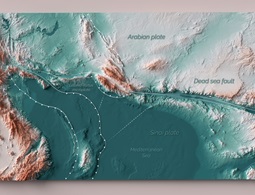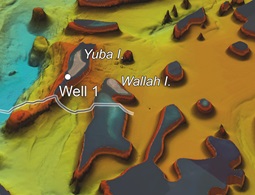
Exploring the evolution of the Red Sea’s carbonate platforms
Understanding how carbonate platforms have developed provides insights into what the future may hold for the valuable reef ecosystems they sustain.
Understanding how carbonate platforms have developed provides insights into what the future may hold for the valuable reef ecosystems they sustain.
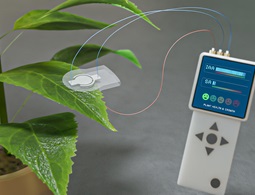
A minimally invasive sensor can continuously measure levels of stress hormones.
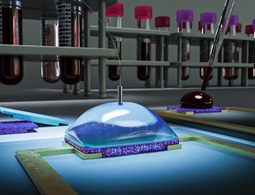
The structure of polymers in organic electrochemical transistors can dramatically alter their interaction with ions in biological samples.
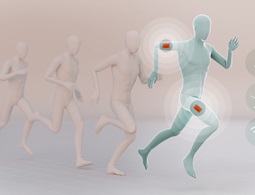
No blood, no batteries — just sweat, microwaves and some seriously cool science.


Swift action to curb methane emissions could rapidly bring down the rate of global warming, modeling shows.
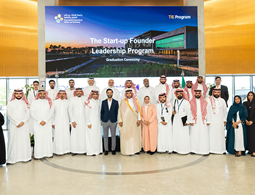
KAUST’s TIE program and NIDLP launched the “Startup Founder Leadership Program” in May 2025 to equip Saudi entrepreneurs with business skills and real-world connections. Co-developed with SDA Bocconi, the training supports Vision 2030 by enabling innovation, cross-sector collaboration, and startup growth in strategic industries.
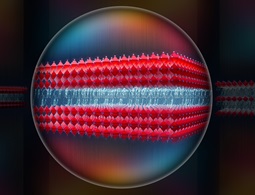
Tracking how charge flows across the surfaces of 2D perovskites should help to design better solar cells and light-emitting diodes.
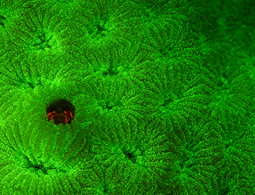
Symbiotic crabs use fluorescence to camouflage themselves in coral reefs.
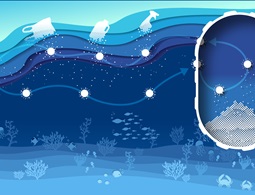
Machine learning helps to find the most efficient approach to trap plastic fragments.