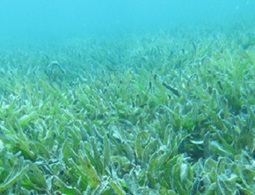
Marine reserves offer protection
Protection zones for coasts and oceans are an effective way to help marine and human communities to adapt to climate change.
Protection zones for coasts and oceans are an effective way to help marine and human communities to adapt to climate change.
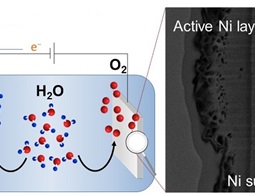
A simple treatment of nickel to make it an efficient catalyst for water splitting.
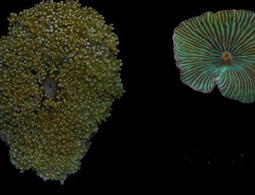
The genome sequences of two "false" corals offer a window into the evolution of calcification, which may help their reef-building cousins.
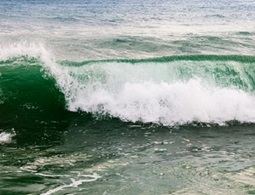
Wind intensities and wave heights in the Red Sea are decreasing over time—potential for a significant impact on its ecosystem.
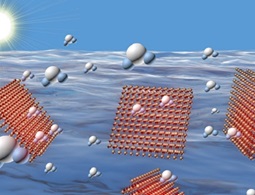
A floating membrane that uses sunlight to evaporate water shows potential for water purification.
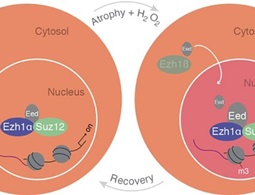
Two proteins produced by a single gene interact to keep the genome in check.
Data from a global oceanographic expedition predict how rising temperatures influence increase in plankton populations.

The movement of DNA molecules seemingly explained by random motion conceals a more orderly march.
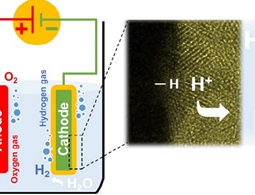
A coating of molybdenum improves the efficiency of catalysts for producing hydrogen.

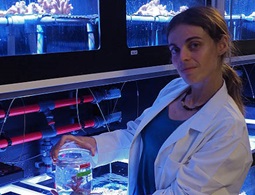
A unique investigation highlights how excess nitrogen can trigger coral bleaching in the absence of heat stress.