Solving real-world problems
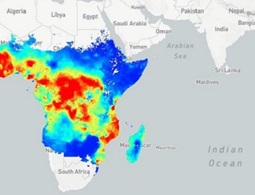
A tool developed by Håvard Rue has transformed data analysis, interpretation and communication. It has been applied broadly: from modeling the spread of infectious diseases to mapping fish stocks.
A tool developed by Håvard Rue has transformed data analysis, interpretation and communication. It has been applied broadly: from modeling the spread of infectious diseases to mapping fish stocks.

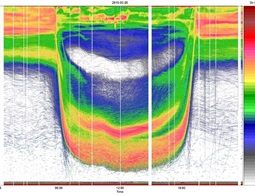
A carbon source stemming from daily fish migrations is implicated in the global carbon cycle.

Nanoparticles with a shell structure improve the performance of zinc-oxide photodetectors.
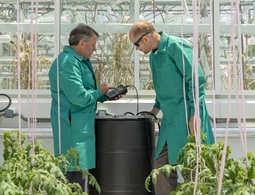
Research to optimize aquaponics systems could inform a new era of urban food production.
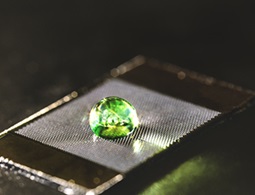
Tiny nature-inspired cavities that trap air can stop liquids from sticking to surfaces without the need for coatings.
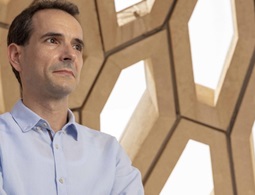
Rethinking industry-scale catalytic processes could slash global energy consumption and even turn carbon dioxide into a valuable commodity.

Simultaneously modeling air pollutants and weather under extreme conditions highlights the potential for serious health risks.

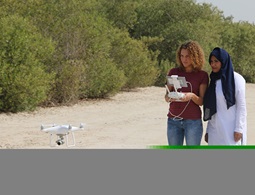
While drones scan beaches to assess plastic litter, microplastics are found in the digestive tracts of one in every six Red Sea fish.