

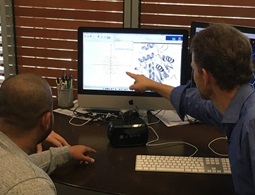
Interdisciplinarity helps unravel the protein puzzle
The work of a small group specializing in demystifying proteins is having far-reaching effects.
The work of a small group specializing in demystifying proteins is having far-reaching effects.
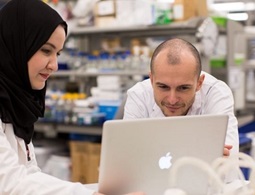
A new tool uses genetic and clinical information to find the root cause of unexplained illnesses.
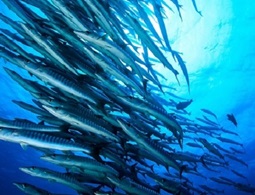
Careful marine management and stricter fishing laws could enable Saudi Arabia’s coral reefs to thrive.
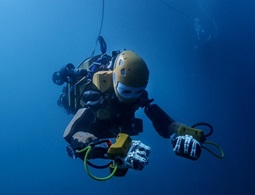
An international, multidisciplinary collaboration that led to the world’s first underwater robotic avatar.
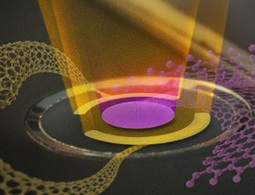
A flexible, carbon-based device that responds to humidity in two ways can sense 3D objects without touching them.
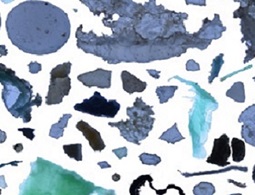
Atlantic surface circulation transports high loads of plastic debris to remote Arctic waters.
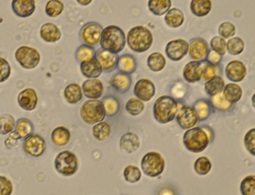
Stressed dinoflagellates rewrite their genes during transcription.

Statistical monitoring technology can detect serious falls and immediately warn healthcare providers.
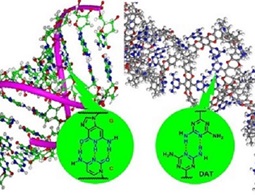
Stable and recyclable materials synthesized using intrinsically porous polymers selectively retain CO2 from exhaust emissions and natural gas.
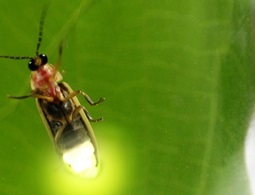
A biological sensor can identify and quantify the activity of a little-known class of plant hormones, strigolactones.
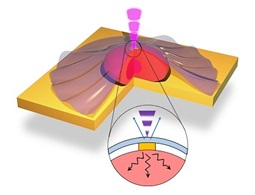
New nano-sized sensors provide unprecedented data on how heat diffuses in and out of living cells.
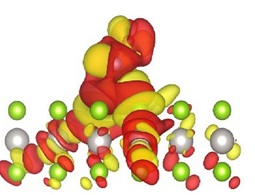
An ultrathin semiconducting sheet showing gas-responsive electronic properties may lead to highly sensitive gas sensors.
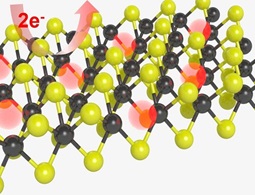
Using a plasma to alter the atomic composition of two-dimensional materials could make them better catalysts.
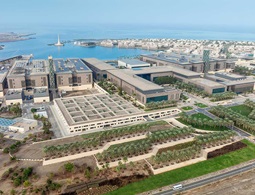
Enzyme follows a two-step verification system before cutting and repairing DNA damage.
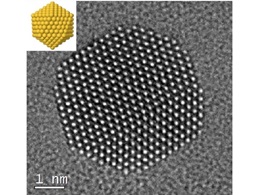
Understanding how small organic ions stabilize gold nanoparticles may allow for better control.
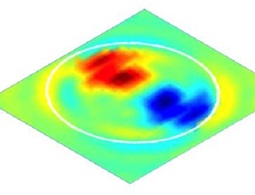
Discovery of a novel rotational force inside magnetic vortices makes it easier to design ultrahigh capacity disk drives.
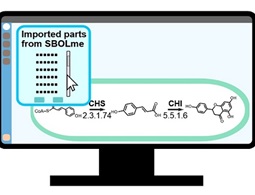
A repository of metabolic information provides a quick reference tool for designing useful synthetic biological systems.
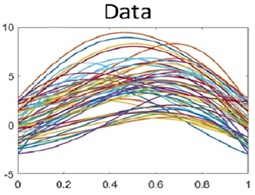
A new method for visually presenting complex data distributions provides a much-needed tool for management, analysis and interpretation.
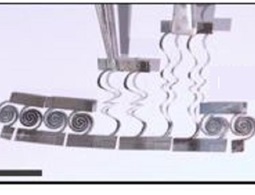
Deformable thermoelectric materials add a new twist to the design of energy-scavenging devices.
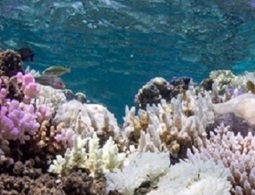
The Red Sea provides opportunities to coral bleaching and inform future practices to help safeguard the world’s coral reef ecosystems.