

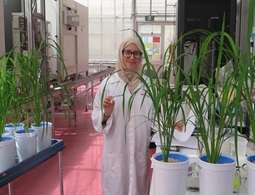
Exploring how rice could survive salt stress
Real-time genetic detailing of rice plants highlights the roles of different loci in response to salt stress during growth.
Real-time genetic detailing of rice plants highlights the roles of different loci in response to salt stress during growth.
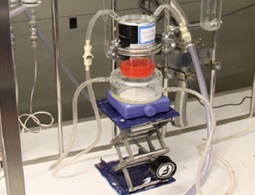
Standardized reporting of energy conversion efficiency could help to develop photocatalysts to produce renewable fuels.
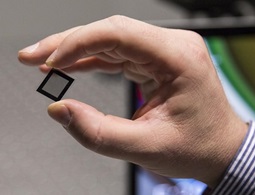
Optical elements that diffract light could lead to smaller and more powerful cameras.
Sophisticated statistical methods can detect ozone pollution hot spots and monitor instrument failure.
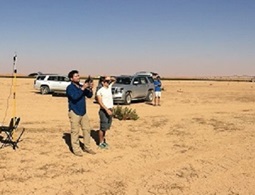
KAUST researchers are working to find new ways of monitoring irrigation, crop health and yields.
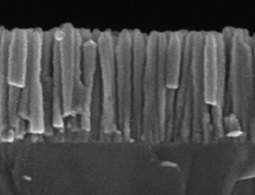
Fleeting bursts of light and electrons reveal traps that hamper solar cells and sensors.
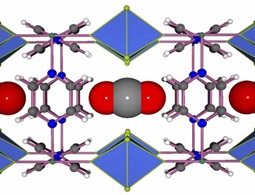
New heights reached for solids that capture carbon dioxide at low concentrations in gas mixtures.
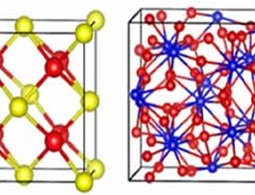
Tin selenide is an effective host for storing sodium ions, making it a promising material for sodium ion batteries.

A clean, green, metal-free approach to making high-performance polycarbonates.
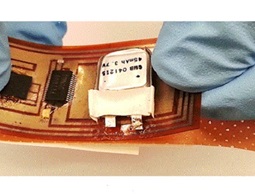
Smart bandage technology provides instant updates on the condition of chronic wounds through a mobile phone app.
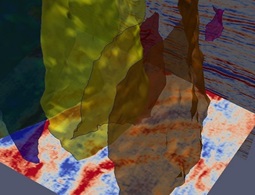
Software that automatically recognizes surfaces within complex three-dimensional images can benefit petroleum extraction.
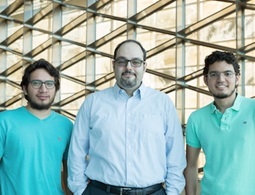
Algorithms that train computers to automatically detect human activity in videos can improve online searches and real-world surveillance systems.