


How extreme weather exacerbates air pollution
Simultaneously modeling air pollutants and weather under extreme conditions highlights the potential for serious health risks.
Simultaneously modeling air pollutants and weather under extreme conditions highlights the potential for serious health risks.

While drones scan beaches to assess plastic litter, microplastics are found in the digestive tracts of one in every six Red Sea fish.
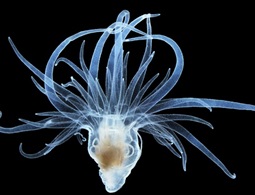
Epigenetic mechanisms adjust gene expression in anemone symbiosis.
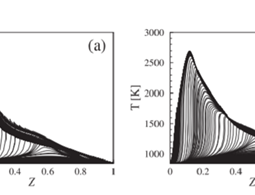
Computer analysis aids the formulation of methanol-based renewable fuels that can operate under compression ignition conditions.
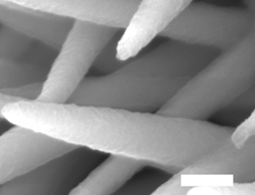
Triple-layered nanoarray electrode promises to boost battery performance and enhance other electrochemical processes.

Molecules reorganize to slow stem cells down, giving them a chance to adhere to and eventually cross the inner lining of blood vessels into the bone marrow.
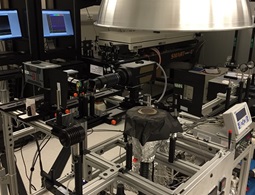
Ethanol and related gasoline replacement fuels produce fewer smog-causing chemicals.

Adding certain types of bacteria to soil could help protect plants against drought by activating a proton pump in root cells.
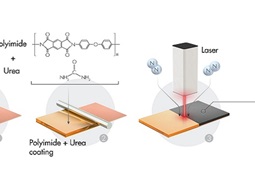
Laser-scribed disordered graphene significantly improves sodium-ion battery capacity.
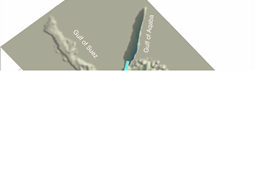
Volcanic eruptions in Mexico and the Philippines can lead to atmospheric changes that favor the ventilation of deep water in the Red Sea.
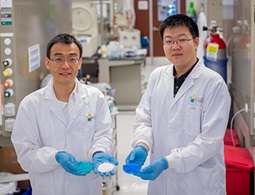
A low-cost method for collecting water from the atmosphere could be used to provide potable water to dry, inland regions.

A compound that binds to and inhibits a crucial receptor protein offers a new route for controlling a parasitic plant.
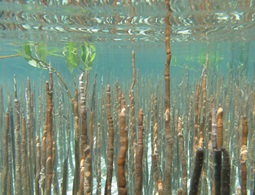
Maintaining a balance between rising sea levels and soil accumulation will rely on careful management of coastal regions.

A membrane made of porous carbon-fiber structures grown on a porous ceramic substrate is more efficient than similar existing membranes at filtering seawater.
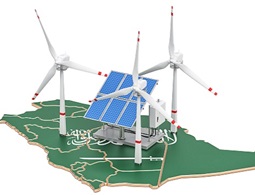
The first quantification of wind energy in Saudi Arabia points to high wind power potential for many decades to come.
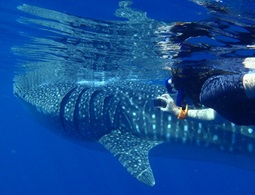
Investigations of prey patterns fail to explain why whale sharks aggregate off the coast of Saudi Arabia.
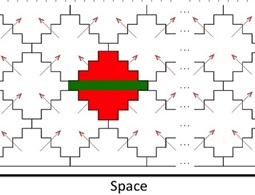
Software could transform underground imaging of fossil fuel reserves by providing unprecedented detail in record time.
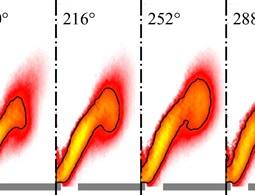
Understanding the response of gas flames to acoustic perturbations at high pressure should make next-generation turbines safer and more efficient.

Precision molecular tools derived from bacterial defence systems are transforming the theory and practice of genetic modification.

Corals, even in the most far-flung locations, are being affected by climate change but fare better in marine protected areas.