

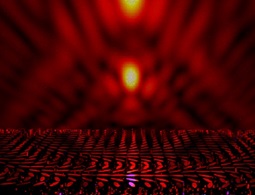
Flat lenses with a twist
Overlaying two film layers patterned with a nanoscale array can manipulate the propagation of light to create a powerful ultrathin lens.
Overlaying two film layers patterned with a nanoscale array can manipulate the propagation of light to create a powerful ultrathin lens.
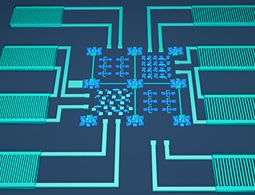
Ruthenium oxide is used to integrate energy-storing microsupercapacitors and thin-film electronics at the transistor level.
New experimental insights allow researchers to probe protein-DNA interactions with greater precision.
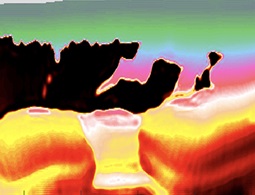
Automated imaging of underground salt bodies from seismic data could help streamline oil and gas exploration.
Pyramidal graphs resulting from statistical analyses of EEG recordings can improve our understanding of epileptic seizures.
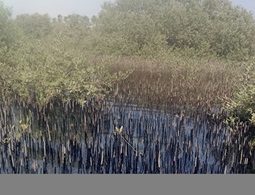
Sediment libraries show marine ecosystems are accumulating oil pollution faster than ever.
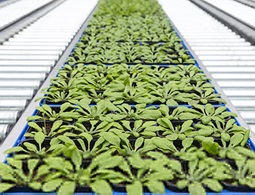
New app aims to improve the statistical analysis of large datasets in plant science and beyond.

Computer simulation accurately captures the beguiling motion of a liquid magnetic material.

Record-breaking, high-efficiency single crystals bring perovskite solar cells closer to market.
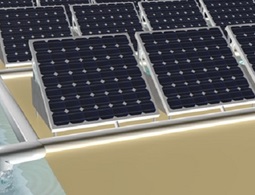
An integrated system seamlessly harnesses sunlight to cogenerate electricity and fresh water.
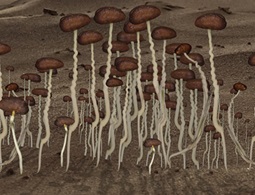
A date palm seedling can pause its development to boost its resilience before emerging into the harsh desert environment.

Gossip is an efficient way to share information across large networks and has unexpected applications in solving other mathematical and machine-learning problems.
Exploring the links between natural climate cycles and the sea-surface temperature of the Red Sea reveals a cooling trend during the next few decades.

A biohybrid material that combines reduced graphene oxide with bacterial cells offers an eco-friendly option to help store renewable energy.
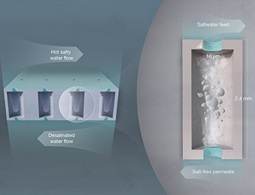
Insect-inspired design principles lead to first-ever water-repellent membranes made from water-wet materials.
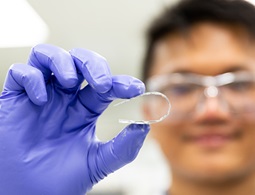
A low-temperature method for making high-performance thermoelectric materials could recapture lost energy.
A universal query engine for big data that works across computing platforms could accelerate analytics research.
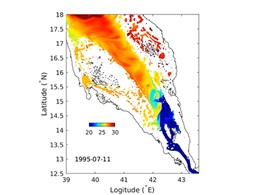
Powerful computer simulations are revealing new insights into water exchanges between the Red Sea and the Gulf of Aden.
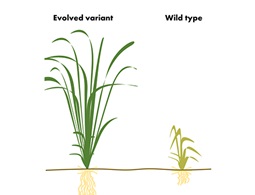
Accelerating plant evolution with CRISPR paves the way for breeders to engineer new crop varieties.
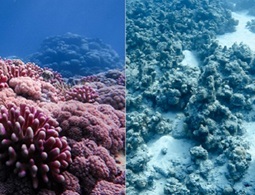
A remote sensing algorithm offers better predictions of Red Sea coral bleaching and can be fine tuned for use in other tropical marine ecosystems.