

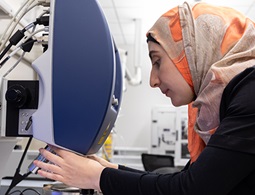
Vibrating beams feel the pressure
Variations in the vibrations of beams of silicon create a sensitive way of measuring pressure changes.
Variations in the vibrations of beams of silicon create a sensitive way of measuring pressure changes.
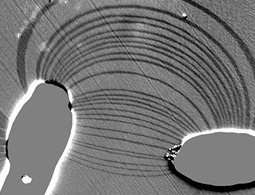
The flow of an electrical current can be imaged directly using magnetic bubbles.
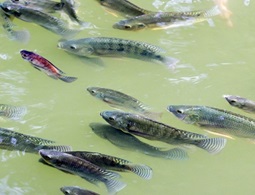
A self-powered water quality sensor could help fish farmers to monitor pollution in their ponds remotely.
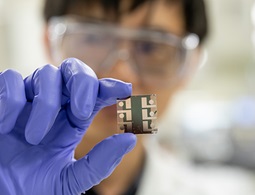
Unconventional perovskites with an inverted structure see a leap in efficiency and longevity with an amine-based additive.
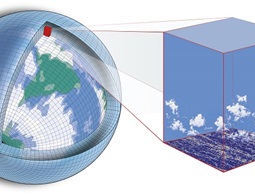
A universal high-performance computing interface allows popular statistical tools to run efficiently on large geospatial datasets.
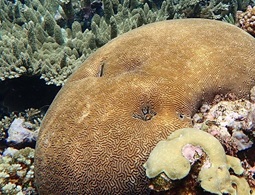
First evidence that animal DNA methylation patterns can be passed to the next generation.
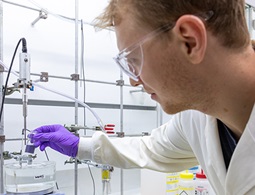
More efficient photocatalysts could unlock the potential of solar energy.
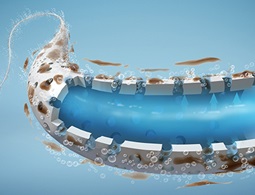
Carbon dioxide bubbles could be a fast and environmentally friendly way to unclog seawater filters and keep the supply of drinking water flowing.
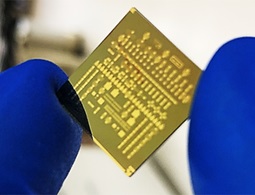
A simple, cost-effective technique uses solution-based printing to make better ultrathin transistors.
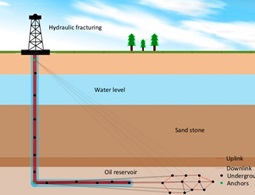
Pinpoint mesh of smart underground objects could give real-time 3D readout of fossil fuel reserves.

For a communications revolution, 6G development needs more human-centric research.

Extremely thin strips of phosphorus may help engineers to fabricate nanoscale transistors with atomically perfect structures.
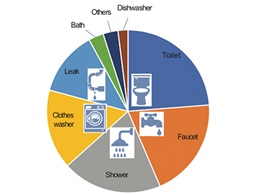
With about half the world’s population living close to the coast, using seawater to flush toilets could be possible with a salt-tolerant bacterium.

Simulations reveal unexpected connections in the Red Sea basin that could help marine conservation.
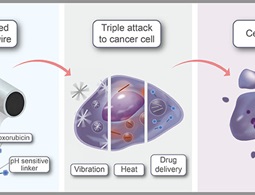
Multifunctional iron nanowires selectively obliterate cancer cells with a triple-punch combination attack.
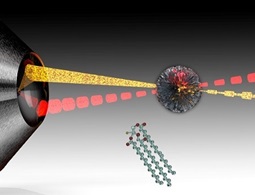
Laser-based microscopes can tune into multiple biomolecular signatures found in cancer cells.
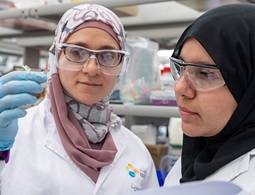
Prediction method could help personalize cancer treatments and reveal new drug targets.
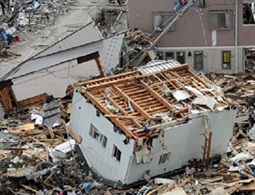
A better mathematical understanding of how big waves form could lead to better prediction of tsunami impacts.
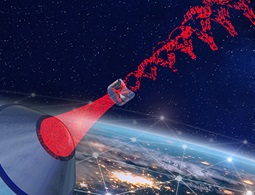
The finding that light can be twisted very precisely may offer fresh options for communications infrastructure.
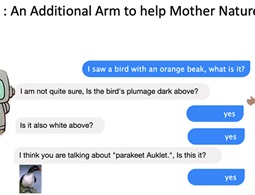
The psychology of human creativity helps artificial intelligence imagine the unseen.