

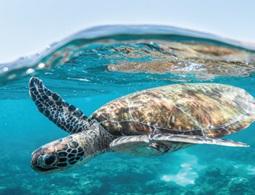
Red Sea turtle hatchlings are feeling the heat
The balance of the sexes in marine turtle hatchlings may be disrupted by high sand temperatures at nesting sites around the Red Sea.
The balance of the sexes in marine turtle hatchlings may be disrupted by high sand temperatures at nesting sites around the Red Sea.
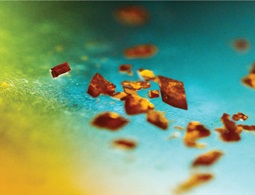
A reverse form of host-guest chemistry could upend the way the chemical industry approaches challenging, energy-intensive molecular separations.
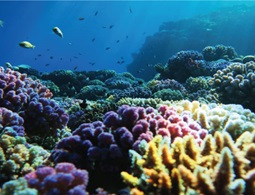
Little of the organic carbon in the Red Sea could be reaching the depths necessary for long-term storage.
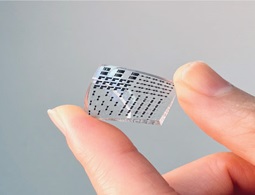
Soft, stretchy, slimline and strong electronics could accelerate the arrival of artificial skin.
A model for the southeastern California lithosphere suggests that a strong upper crust overlies weaker lower rock layers.
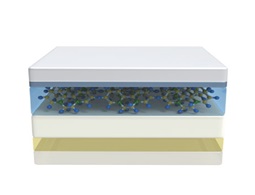
Small molecules could hold the key to enhancing the efficiency of organic solar cells.
Harnessing the power of deep learning leads to better predictions of patient admissions and flow in emergency departments.
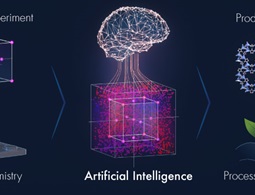
Chemistry computer algorithm does more with less experimental data to reveal the optimal way to make green materials.
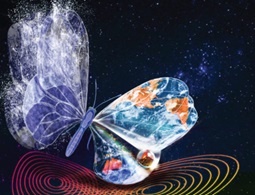
Modeling shows that volcanic eruptions can cause changes in global climate, if the timing is right.
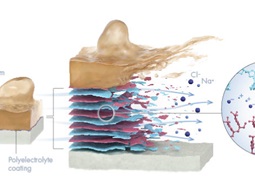
A polyelectrolyte coating enables clean seawater desalination systems without harmful chemicals.
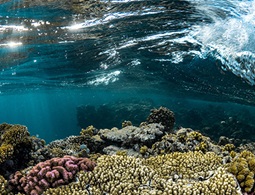
An all-inclusive climate model for the entire Red Sea region is supporting Saudi Arabia’s plans for a sustainable future.
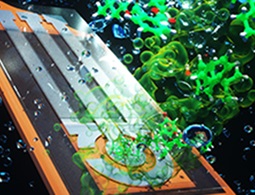
Laser writing breathes life into high-performance sensing platforms.
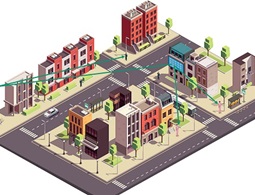
A mathematical model shows specialized reflective panels could be deployed on a large scale to enhance communication networks in urban areas.
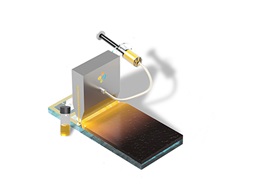
High-performance perovskite solar cells are made using a manufacturing-friendly liquid-based process suitable for roll to roll production.
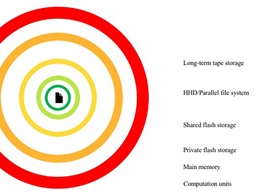
A continuous data supply ensures data-intensive simulations can run at maximum speed.
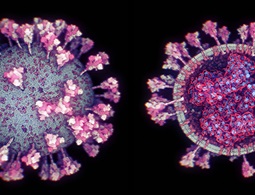
Microscope and protein data are incorporated into an easy-to-use-and-update tool that can model an organism’s 3D appearance.
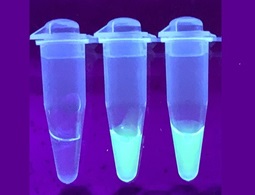
A new test kit could enable quick and effective COVID-19 tests for people arriving at airports.
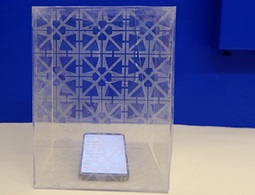
A printable ink that is both conductive and transparent can also block radio waves.
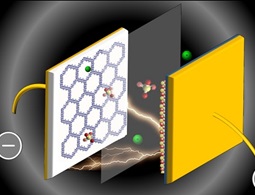
Carefully designed covalent organic frameworks could make supercapacitor electrodes that have a greater ability to store electric charge.
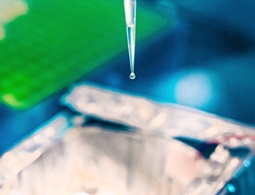
An experiment, elegant in its simplicity, helps explain why water becomes electrified when it touches hydrophobic surfaces.