

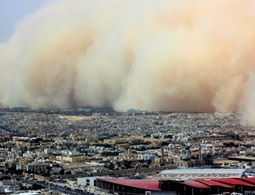
A fine-grained view of dust storms
A new analysis of satellite data gives a detailed view of how extreme dust events have changed over time.
A new analysis of satellite data gives a detailed view of how extreme dust events have changed over time.

Red Sea atlas of algal blooms reveals the need for more sustainable fish farming.
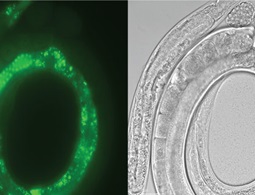
A new protocol brings the precise standards of engineering to the realm of synthetic biology.
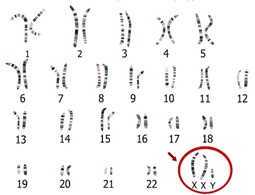
A database of newly generated stem cell lines could provide the key to understanding the genetic factors that drive Klinefelter syndrome and related diseases.

Advanced laser-printing techniques prove ideal for creating tiny optical communication devices with complex internal structures.

Nanostructure-templated electrochemical polymerization enhances speed and selectivity in organic membrane-based processes.
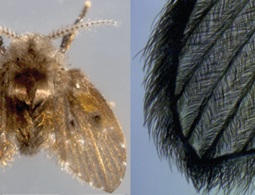
Shower spray is like water off a duck’s back to bathroom flies.

An assistive technology uses magnetic skin to support freedom of movement for people with quadriplegia.
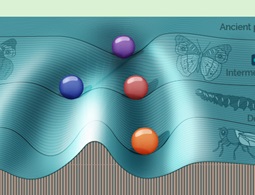
Some organisms evolve an internal switch that can remain hidden for generations until stress flicks it on.

Computer models efficiently and accurately simulate the magnetic responses of ferrofluids by considering only the fluid’s surface.
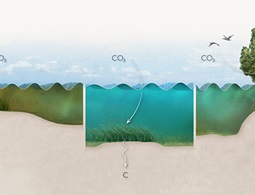
Tackling climate change in marine ecosystems requires diverse strategies, from protecting coasts to farming kelp and restoring whale populations.
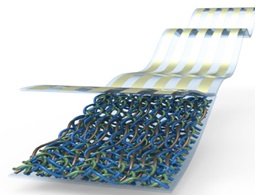
An electrochemical method for stabilizing a reactive molecule can help the development of higher efficiency solar cells.

Roads installed with wireless charging technology could become an integral feature of our cities in an electric vehicle future.
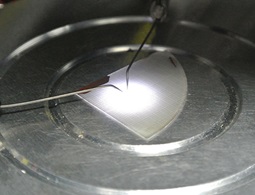
A single semiconducting material can produce white light by emitting light across the visible spectrum.

A high-frequency model developed using data from new high-precision rain gauges gives fresh insight into the dynamics of rain and runoff events.
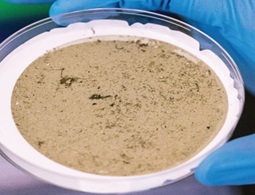
Microbiologist Peiying Hong explains current research into COVID-19 monitoring and surveillance using wastewater.

Researchers uncover an overlooked process enhancing the carbon-removal potential of mangroves.

A prediction model that considers multiple landslides over time in a given region may improve the accuracy of early warning systems.
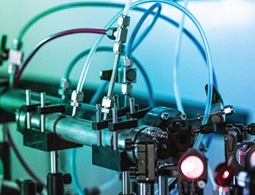
A highly selective and sensitive laser sensor can pick up low-level benzene emissions in ambient air.

Ultrathin porous films that can pluck out specific nanoscopic molecules could refine oil purification and drug development.