Biomedical Sciences Division (BioMed)
Decoding Life, Advancing Health
Decoding Life, Advancing Health

The Biomedical Sciences (BioMed) division at KAUST brings together world-class science, technology, and education to address today’s most pressing health challenges. Through interdisciplinary research, advanced computational and digital tools, and strong partnerships across the healthcare ecosystem, BioMed connects discovery with real-world impact - supporting national priorities while contributing to global advances in health and disease.
BioMed will improve health in Saudi Arabia and beyond by harnessing cutting edge science and technology to investigate, educate on, and translate discoveries that make people’s lives better.
BioMed applies the scientific and technical expertise of KAUST by interdisciplinary collaboration and intersectional partnerships both within and beyond the university, leveraging and boosting the efforts of the health care ecosystem to understand, prevent, and treat disease.
We will encourage, educate, and promote expertise in the study and taming of disease to help engineer a healthier life for all, using knowledge generation with widespread deployment of health-translated advances underpinned by our cutting edge, world class technical expertise.
BioMed is KAUST's newest division, harnessing the University's world-class science and technology to advance healthcare outcomes in Saudi Arabia and beyond. We apply cutting-edge computational and digital tools to understanding, combating and preventing disease.
BioMed is at the start of an exciting journey. The division offers a collaborative environment where scientific excellence meets a passion for teaching and mentoring a new generation of graduates who will advance health in the 21st century.
Our priorities are those of the Kingdom, our mission aligned with Vision 2030's aspirations for better health. Our graduate programs uniquely integrate biology with engineering and bioinformatics and, our faculty and students strive to be future-ready for the rapidly emerging challenges and opportunities in biomedical science.
BioMed draws on the KAUST ecosystem of outstanding research and technical capabilities, all set against the backdrop of the Red Sea. We are beginning an ambitious journey, and invite those who share our vision of a healthier life for all.
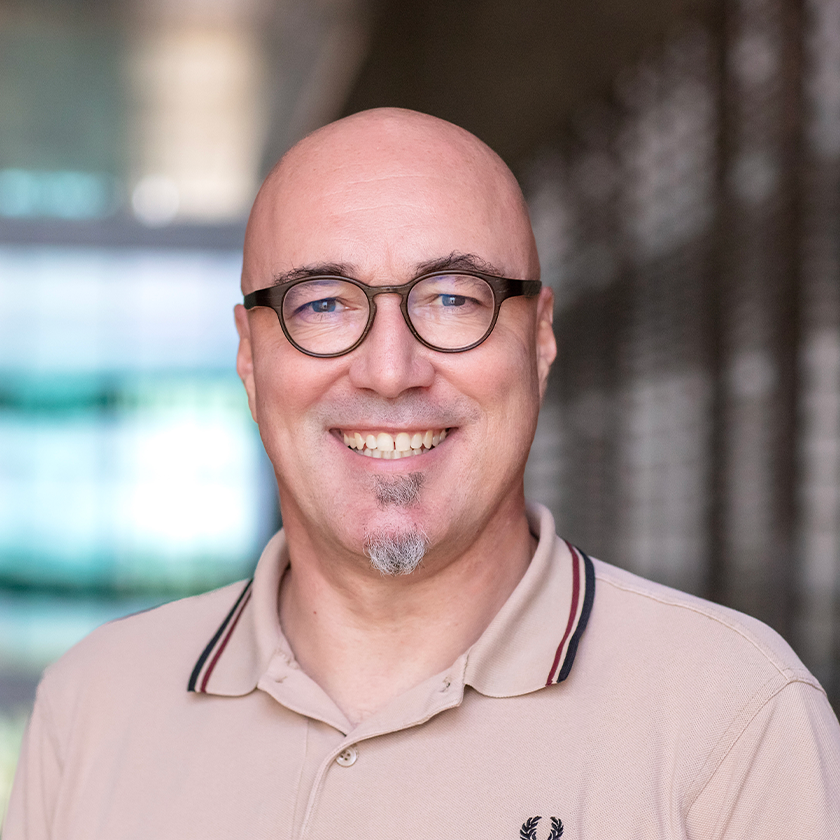
By defining the molecular details of epigenetic regulation, we provide the foundation for developing new diagnosis and therapy approaches for multiple diseases.
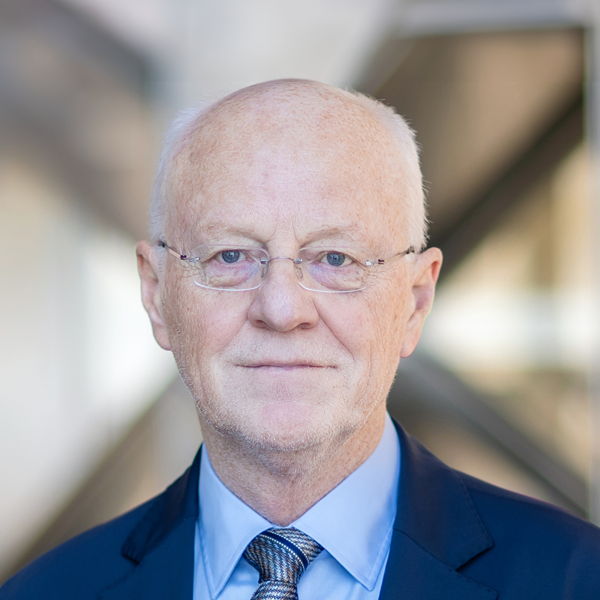
Professor Wolfgang Fischle joined KAUST as Full Professor in Bioscience in 2015. His research focuses on understanding the molecular principles of genome regulation with a particular focus on chromatin structure and function. Prior to joining KAUST, Professor Fischle was a Max Planck Research Group Leader at the Max Planck Institute for Biophysical Chemistry in Göttingen, Germany, and a member of the Göttingen Graduate Center for Neurosciences, Biophysics, and Molecular Biosciences. He has published more than 100 papers, collecting over 20,000 citations. Professor Fischle has been a board member of the European Network of Excellence in Epigenetics (Epigenome) and serves on the editorial boards of the Journal of Biological Chemistry and Cell and Molecular Life Sciences. He is also a member of several professional societies and funding review committees in the life sciences.
Professor Fischle studies chromatin architecture, function, and dynamics with a particular emphasis on chemical modifications of histone proteins and DNA. His passion is to delineate the processes that signal to and from chromatin on a molecular level. For that, he integrates highly multidisciplinary approaches drawing from biochemistry, biophysics, molecular biology, cellular biology, structural biology, and bioinformatics. Professor Fischle and his team apply state-of-the-art methodologies and develop new experimental approaches. The paradigm of Professor Fischle’s research is “insight must precede application” (quotation of Max Planck, 1858 – 1947) following the concept that comprehending the basic regulatory principles of life is essential for developing new diagnosis and therapy approaches for multiple diseases.

Dr. rer. nat. (PhD), University of Tübingen, Germany, 2002
Diploma (MSc) in Biochemistry, University of Tübingen, Germany, 1996
Prediploma (BSc) in Biochemistry, University of Tübingen, Germany, 1994