Biomedical Sciences Division (BioMed)
Decoding Life, Advancing Health
Decoding Life, Advancing Health

The Biomedical Sciences (BioMed) division at KAUST brings together world-class science, technology, and education to address today’s most pressing health challenges. Through interdisciplinary research, advanced computational and digital tools, and strong partnerships across the healthcare ecosystem, BioMed connects discovery with real-world impact - supporting national priorities while contributing to global advances in health and disease.
BioMed will improve health in Saudi Arabia and beyond by harnessing cutting edge science and technology to investigate, educate on, and translate discoveries that make people’s lives better.
BioMed applies the scientific and technical expertise of KAUST by interdisciplinary collaboration and intersectional partnerships both within and beyond the university, leveraging and boosting the efforts of the health care ecosystem to understand, prevent, and treat disease.
We will encourage, educate, and promote expertise in the study and taming of disease to help engineer a healthier life for all, using knowledge generation with widespread deployment of health-translated advances underpinned by our cutting edge, world class technical expertise.
BioMed is KAUST's newest division, harnessing the University's world-class science and technology to advance healthcare outcomes in Saudi Arabia and beyond. We apply cutting-edge computational and digital tools to understanding, combating and preventing disease.
BioMed is at the start of an exciting journey. The division offers a collaborative environment where scientific excellence meets a passion for teaching and mentoring a new generation of graduates who will advance health in the 21st century.
Our priorities are those of the Kingdom, our mission aligned with Vision 2030's aspirations for better health. Our graduate programs uniquely integrate biology with engineering and bioinformatics and, our faculty and students strive to be future-ready for the rapidly emerging challenges and opportunities in biomedical science.
BioMed draws on the KAUST ecosystem of outstanding research and technical capabilities, all set against the backdrop of the Red Sea. We are beginning an ambitious journey, and invite those who share our vision of a healthier life for all.
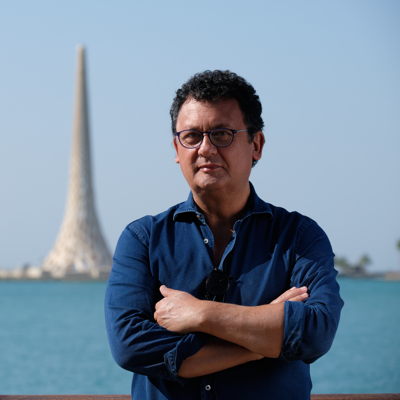
We investigate the epigenetic mechanisms and develop novel applicable approaches to ameliorate tissue regeneration and aging
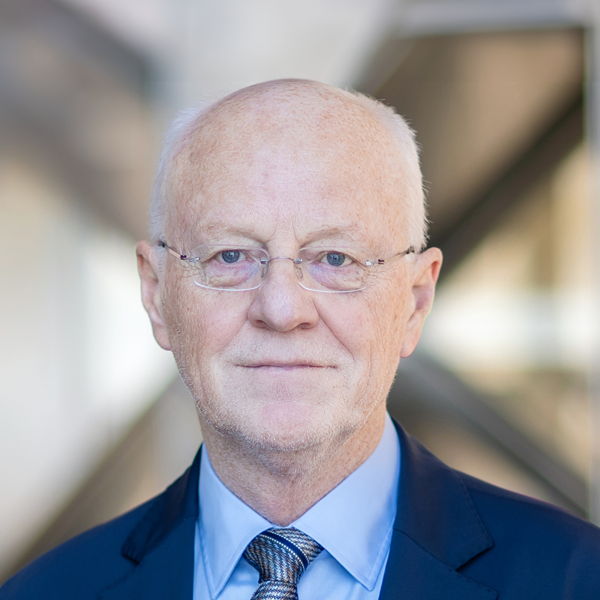
Professor Valerio Orlando obtained his Ph.D. in Molecular Biology at University La Sapienza in Rome, Italy (1989), followed by a postdoctoral position at the University of Heidelberg, Germany (1991- 1997), where, he laid the foundation for his career in the field of epigenetics. He started his independent career in 1998 at San Raffaele Institute in Milan, Italy. In 2002, he joined Telethon Foundation Italy, where he was founding member of the Dulbecco Telethon Institute (DTI) at IGB CNR Naples and Santa Lucia Foundation Hospital in Rome (2002-2013). He has been a proactive member of the EU- funded Network of Excellence of Epigenetics (Epigenome and Epigenesys Networks of Excellence) and spear-headed the First National Italy’s Flagship project on epigenetics. In 2013, he moved to KAUST, where he founded the KAUST Environmental Epigenetics Program (keep.kaust.edu.sa).
Professor Orlando’s main interest is the investigation of the epigenetic mechanisms governing the dialogue between genome and environment and how those impact and evolve over a lifetime. In particular, his group studies the plastic properties of the genome in response to developmental and environmental cues and the conditions for maintenance of optimal healthy and resilient states. In this context, the lab focuses on the exploration of the emerging role of the repetitive part of the mammalian genome (50% of total). This is made of various classes of DNA sequences repeated tens of thousands of times, relics of ancient viruses that have colonized the mammalian genome and contributed to its evolution. However, recent progress has revealed a pivotal role of the RNAs coming from this portion of the genome in both epigenome dynamics and regulated inflammatory response. This evidence places repetitive and retrotransposons RNA at the center of two fundamental aspects of cell and organism physiology, aspects that when compromised are well-recognized hallmarks of unhealthy states and aging, involving loss of nuclear architecture and chronic inflammation. Therefore, understanding the regulation and targeted pathways that regulate these classes of RNAs is proving to be instrumental for devising highly innovative approaches impacting aging, tissue regeneration, and amelioration of related pathological contexts.

Postdoctoral fellow, Zentrum fuer Molekulare Biologie (ZMBH) University of Heidelberg, Germany,1997
Ph.D. University "La Sapienza", Rome Italy, 1989