Biomedical Sciences Division (BioMed)
Decoding Life, Advancing Health
Decoding Life, Advancing Health

The Biomedical Sciences (BioMed) division at KAUST brings together world-class science, technology, and education to address today’s most pressing health challenges. Through interdisciplinary research, advanced computational and digital tools, and strong partnerships across the healthcare ecosystem, BioMed connects discovery with real-world impact - supporting national priorities while contributing to global advances in health and disease.
BioMed will improve health in Saudi Arabia and beyond by harnessing cutting edge science and technology to investigate, educate on, and translate discoveries that make people’s lives better.
BioMed applies the scientific and technical expertise of KAUST by interdisciplinary collaboration and intersectional partnerships both within and beyond the university, leveraging and boosting the efforts of the health care ecosystem to understand, prevent, and treat disease.
We will encourage, educate, and promote expertise in the study and taming of disease to help engineer a healthier life for all, using knowledge generation with widespread deployment of health-translated advances underpinned by our cutting edge, world class technical expertise.
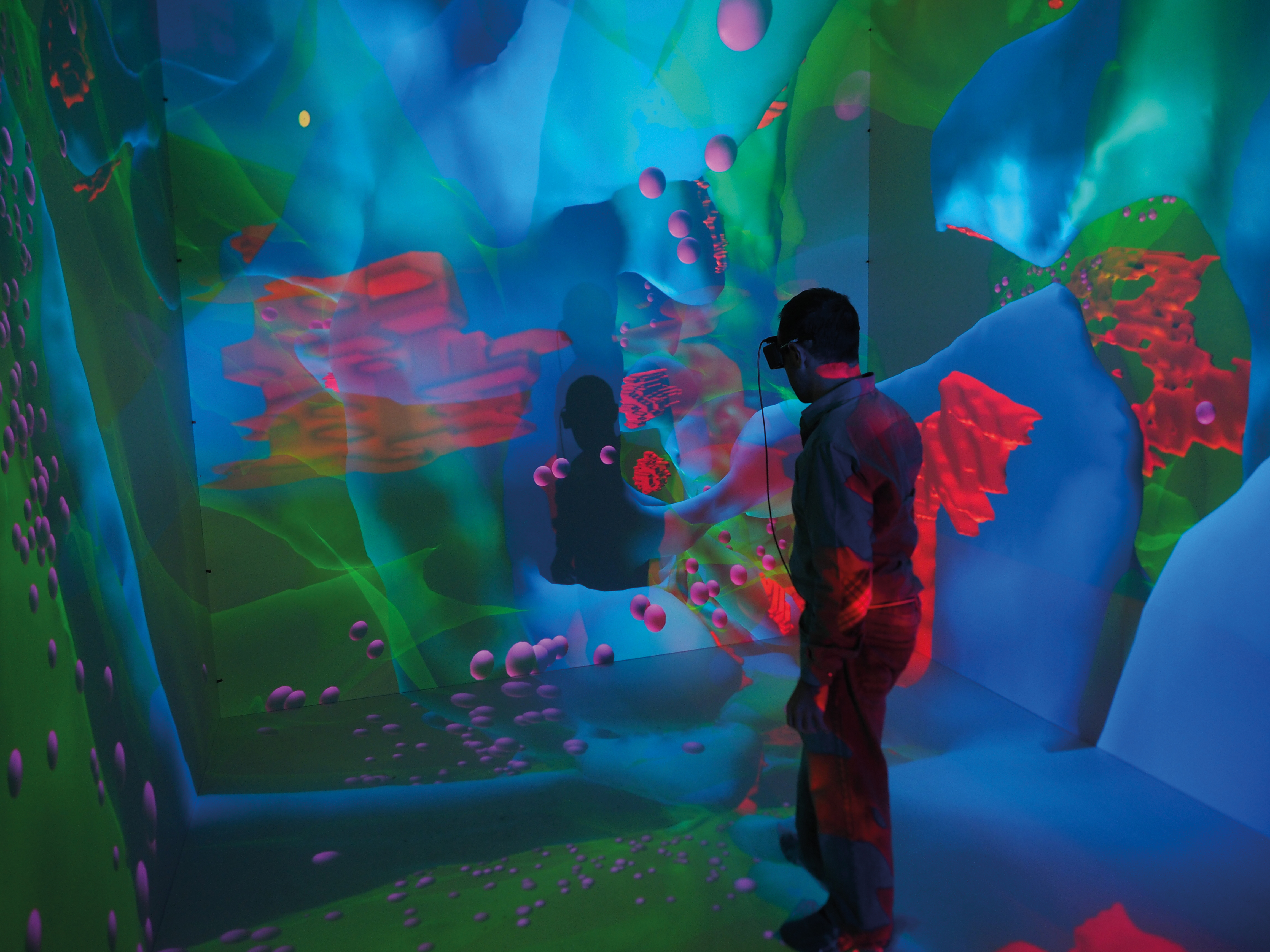
BioMed is KAUST's newest division, harnessing the University's world-class science and technology to advance healthcare outcomes in Saudi Arabia and beyond. We apply cutting-edge computational and digital tools to understanding, combating and preventing disease.
BioMed is at the start of an exciting journey. The division offers a collaborative environment where scientific excellence meets a passion for teaching and mentoring a new generation of graduates who will advance health in the 21st century.
Our priorities are those of the Kingdom, our mission aligned with Vision 2030's aspirations for better health. Our graduate programs uniquely integrate biology with engineering and bioinformatics and, our faculty and students strive to be future-ready for the rapidly emerging challenges and opportunities in biomedical science.
BioMed draws on the KAUST ecosystem of outstanding research and technical capabilities, all set against the backdrop of the Red Sea. We are beginning an ambitious journey, and invite those who share our vision of a healthier life for all.
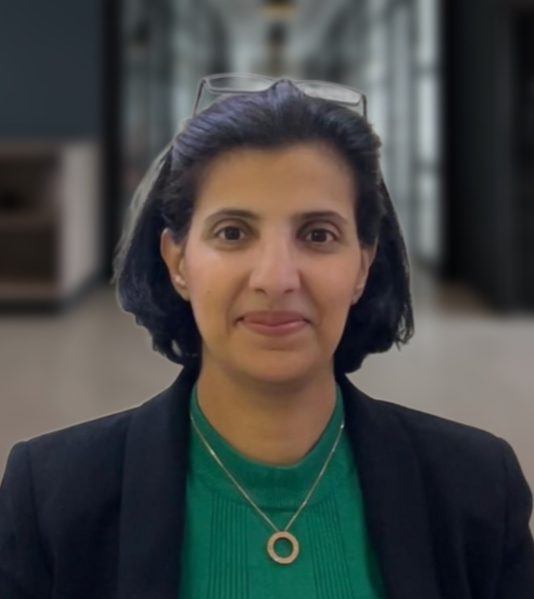
Understanding organelle-associated disorders requires us to look not further, but deeper—into the subcellular compartments where dysfunction quietly begins.
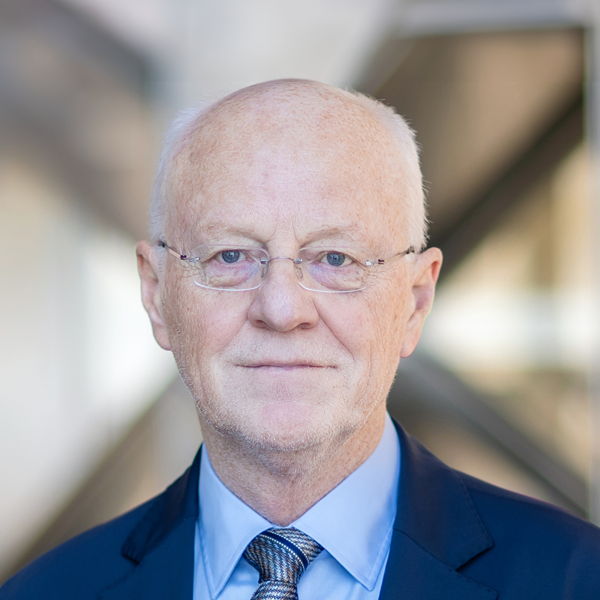
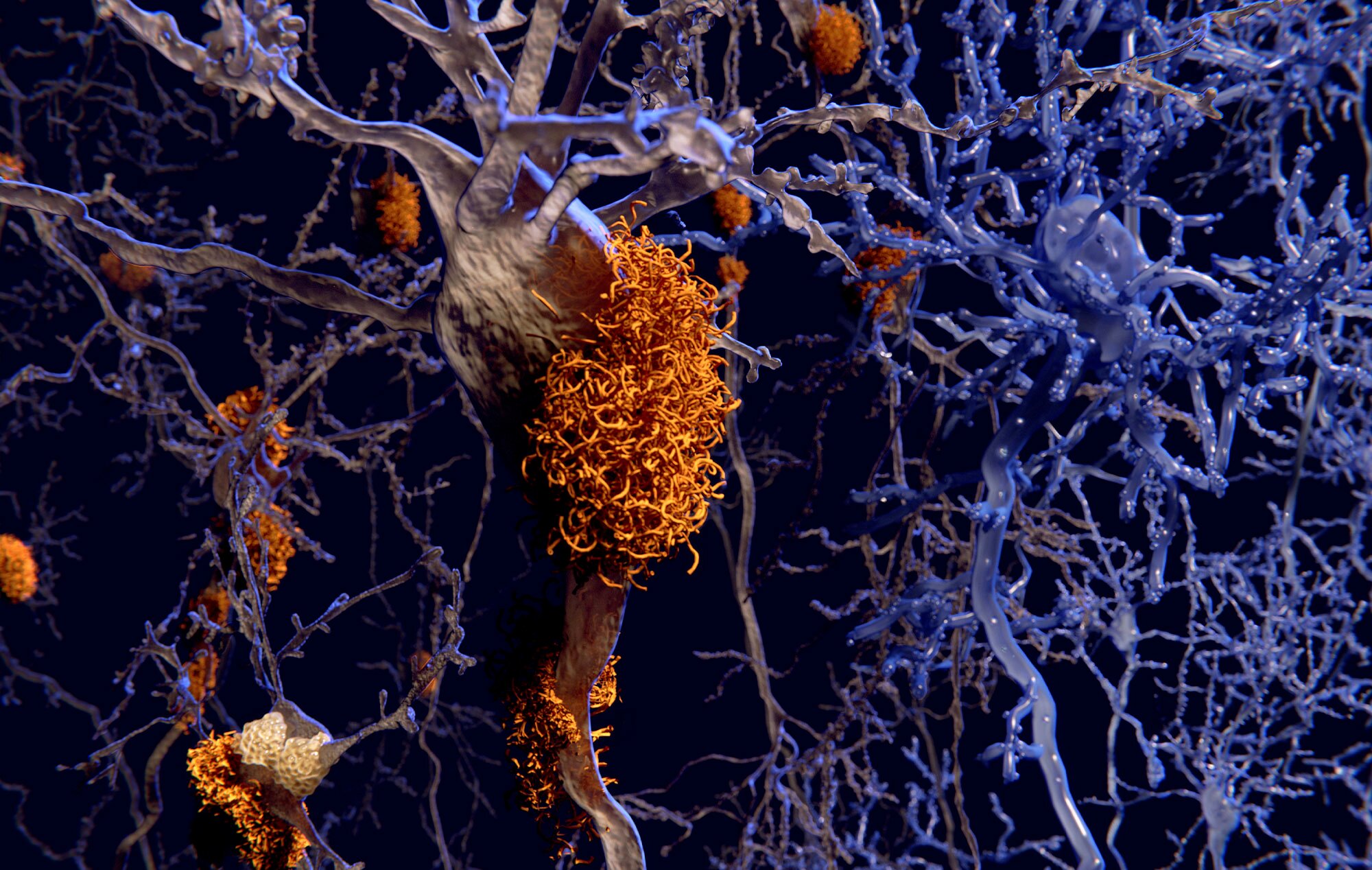
Professor Nouf Laqtom is an Ibn Rushd Assistant Professor at KAUST, where she leads the Subcellular Metabolism and Disease Lab. Her research focuses on how organelle dysfunction — particularly within lysosomes and the endoplasmic reticulum — drives rare neurodegenerative diseases. By integrating advanced multi-omics, CRISPR screens, and organelle purification techniques, her lab investigates how subcellular disruptions impair cellular function and homeostasis, with an emphasis on lysosomal storage disorders like Batten disease.
In 2023, prior to joining KAUST, Professor Laqtom conducted postdoctoral research at the Whitehead Institute for Biomedical Research at MIT and in the Department of Chemical Engineering at Stanford University, U.S. During this time, she co-developed the LysoTag mouse model and contributed to several pioneering studies in lysosomal and lipid metabolism. She earned her M.S. and Ph.D. in Biomedical Sciences from the University of Edinburgh, following a B.S. in Biology from King Abdulaziz University in Saudi Arabia.
Professor Laqtom is the recipient of competitive research funding and has published in leading journals such as Nature and Cell Chemical Biology. She plays an active role on institutional research committees and fosters interdisciplinary collaboration. Her lab is dedicated to building a diverse, inclusive, and high-performing team with a strong commitment to translational impact in human disease research.
Professor Nouf Laqtom’s research focuses on how dysfunction at the subcellular level — particularly within lysosomes and the endoplasmic reticulum — drives the onset and progression of rare neurodegenerative and metabolic diseases.
To investigate these mechanisms, the Laqtom Lab integrates multi-omics profiling (including metabolomics, lipidomics, and proteomics), CRISPR-based genetic screening, and advanced organelle isolation techniques, such as Lyso-IP and ER-IP. These tools enable precise characterization of disrupted metabolic reactions within purified organelles and help identify molecular drivers of disease.
Her team employs human iPSC-derived neuronal models and transgenic mouse models to examine how subcellular dysfunction impacts neuronal homeostasis, survival, and therapeutic response. Their work aims to elucidate disease mechanisms, identify diagnostic biomarkers, and uncover novel therapeutic targets with translational relevance.

Postdoctoral Fellow, Department of Chemical Engineering, Stanford University, 2022
Postdoctoral Fellow, Department of Biology, Whitehead Institute-Massachusetts Institute of Technology, 2019
Lecturer, Division of Genomics and Biotechnology, King Abdulaziz University, 2016
M.Sc. and Ph.D. in Genomics and Pathway Biology, University of Edinburgh, 2013