

Plants reorganize proteins to protect photosynthesis during extreme heat
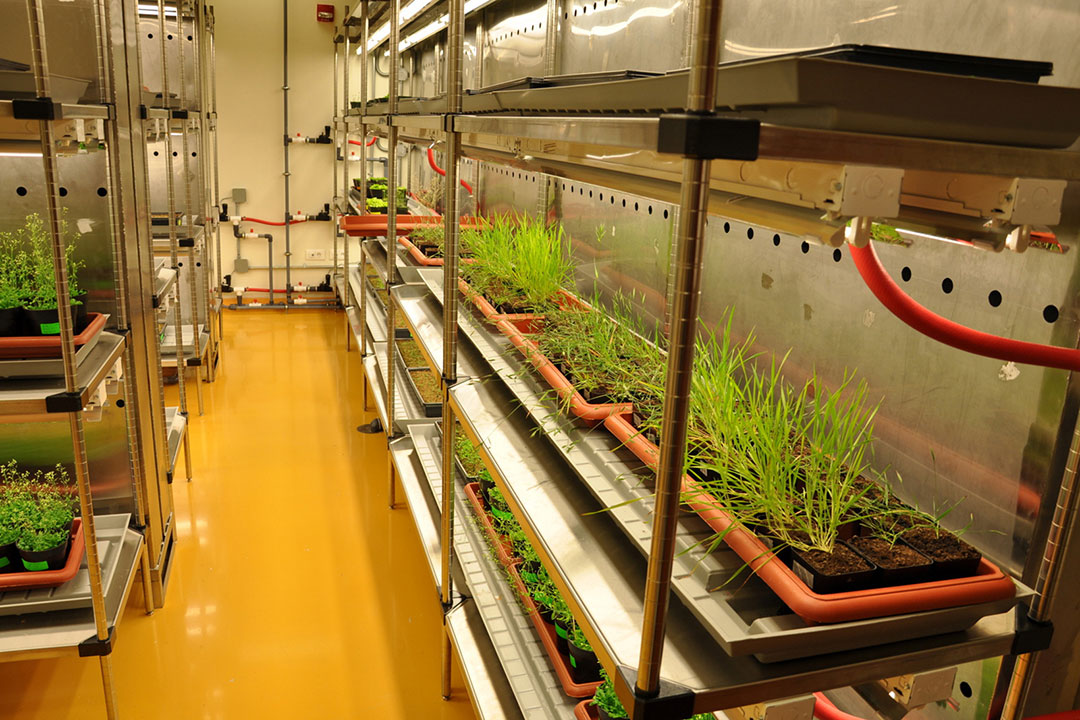
- The built-in mechanisms that help plants survive extreme heat could help inform the development of more resilient crops.
Researchers at King Abdullah University of Science and Technology (KAUST) have uncovered how plants protect photosynthesis under high temperatures, revealing a pathway that could help guide the development of more resilient crops for desert climates, such as those in Saudi Arabia.
In a study led by Professor Monika Chodasiewicz, the team identified a previously underappreciated protective mechanism inside chloroplasts, where photosynthesis occurs. When temperatures rise, a chlorophyll-producing protein called protochlorophyllide oxidoreductase reorganizes into small, reversible droplets known as chloroplast stress granules. These structures help protect and restore the plant’s ability to convert sunlight into chemical energy.
“This matters because heat is one of the major threats to plant productivity, and protecting photosynthesis is essential for maintaining plant growth and crop yield,” said Chodasiewicz, Assistant Professor of Plant Science at KAUST. “The chlorophyll protein forms protective granules, revealing their previously unclear functional significance.”
The researchers found that plants without this chlorophyll-producing protein struggled in high temperatures, while plants with it recovered faster and performed better after heat stress. This points to a natural mechanism that supports plant resilience.
“What surprised us most was that protochlorophyllide oxidoreductase was not strongly activated at the gene-expression level by heat,” Chodasiewicz said. “Instead, the protein itself changed its behavior and location. This suggests that plants can respond to heat very rapidly by reorganizing existing proteins, rather than waiting to produce new ones.”
Heat, water scarcity, and soil salinity are among the key environmental constraints facing agriculture across Saudi Arabia and many arid regions. High temperatures can reduce photosynthesis, slow plant growth, and lower yields, increasing pressure on food production systems. Discoveries that help crops maintain productivity under heat stress are therefore increasingly important for long-term agricultural resilience.
By uncovering how plants naturally reorganize internal proteins to protect themselves, the study offers new insight for future crop breeding and biotechnology. The findings also contribute to the growing field of phase-separated biomolecular condensates in plant biology and support wider priorities around sustainable agriculture, climate resilience, and food security.
The research primarily focused on Arabidopsis thaliana, a widely used model plant in the mustard family. The next step is to test whether similar mechanisms exist in crop species and whether other related proteins can be tuned without negative effects on growth. Any agricultural application will require further validation in crop plants under field-like heat conditions and careful assessment of yield and fitness.
The study was published in Plant Physiology.