

How corals reveal the ocean’s hidden chemical footprint
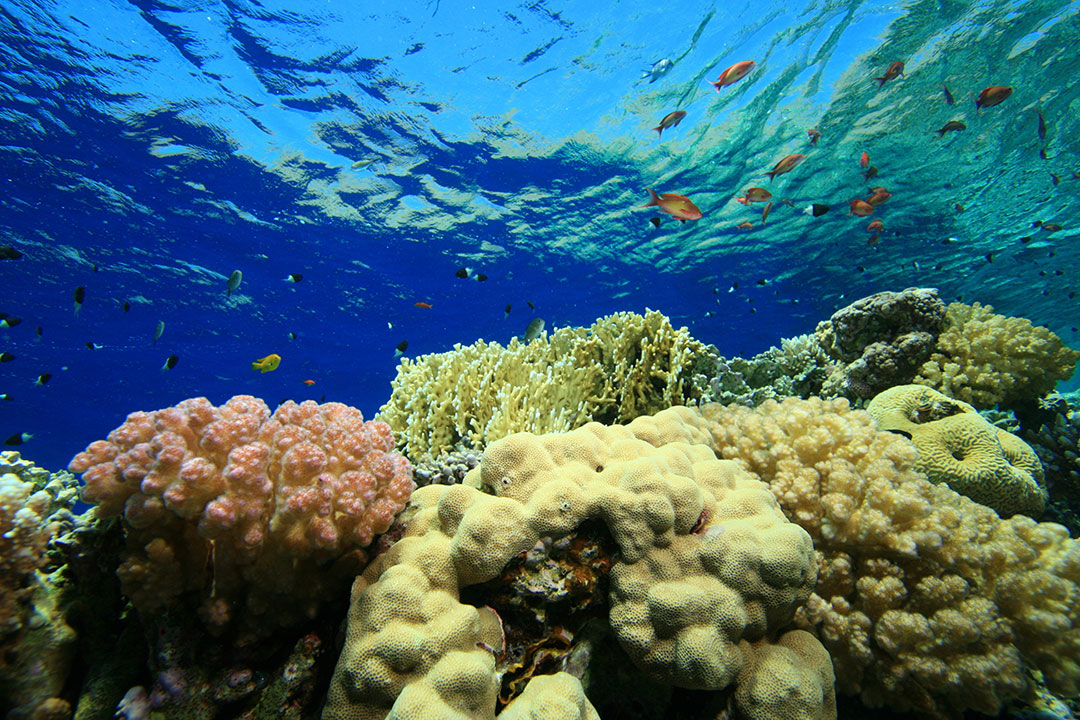
Coral reefs do more than sustain marine life. They record the chemical footprint of human activity in the ocean.
A new study from King Abdullah University of Science and Technology (KAUST) reveals the presence and behavior of compounds such as pharmaceuticals, personal care products, and herbicides in corals, showing how they can provide a long-term record of environmental change linked to modern life.
This research provides a valuable, mission-driven tool for Saudi Arabia as it seeks to sustainably expand coastal tourism, aquaculture, healthcare, and other sectors.
KAUST Professor Susana Carvalho, lead author, highlights the importance of monitoring emerging chemicals in the Red Sea’s unique coral reef ecosystems. “This work fills a major knowledge gap for the Red Sea by providing baseline information essential for monitoring emerging pollutants and informing environmental policy.”

The study shows that compounds such as antibiotics, anti-inflammatories, bronchodilators, central nervous system agents, proton pump inhibitors, and stimulants are widespread and bioaccumulative across reef systems studied, revealing the extent of chemical exposure across these ecosystems.
“It identifies environmentally relevant concentrations of contaminants that can be later tested under controlled experimental conditions, helping scientists determine safe thresholds based on the responses of locally important species,” Carvalho added.
Tracing chemical exposure across the reefs
KAUST researchers detected chemicals in scleractinian coral species across 15 reefs in three regions of the Red Sea. Importantly, some chemicals were found in higher concentrations offshore, offering new insight into how ocean currents transport and redistribute these substances far from their original sources.
While trace pharmaceuticals have been widely detected in coastal waters globally, the research provides direct evidence that corals can absorb and accumulate these compounds far offshore.
“Notably, substances such as the asthma medication salbutamol and the herbicide atrazine were frequently detected, indicating that reef organisms are exposed to a wide range of anthropogenic chemicals,” said Carvalho, research associate professor of marine science.
The research also identifies variation across reef sites linked to local conditions and provides baseline data to support long-term environmental monitoring as coastal development expands. These findings have regional and global conservation implications.
Corals as long-term indicators
By integrating chemicals over time, coral tissues provide a fuller, time-integrated picture of environmental exposure than water samples alone. Carvalho and her fellow researchers underscore the value of advancing environmental monitoring systems to support coral reef resilience in the face of ongoing environmental change.
She noted that understanding contaminant buildup in coral reef organisms is important for effective conservation and regulation.
From insight to action
For Saudi Arabia, Carvalho said these findings are particularly relevant for sustainably expanding coastal tourism, aquaculture, and healthcare sectors. “Importantly, the research identifies regional differences linked to human activities, such as urban development and aquaculture, suggesting that local sources influence contaminant patterns across reefs, highlighting the need for better wastewater management.”
She added: “These findings highlight that chemical exposure is an under-recognized stressor affecting coral reefs, adding another layer of pressure to ecosystems already challenged by climate change and bleaching events.”