

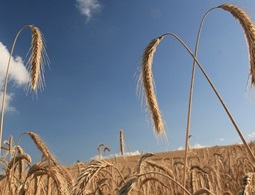
Finding ways to feed the world
Genome editing techniques have the power to transform crop yields and plant resilience to feed the growing global population.
Genome editing techniques have the power to transform crop yields and plant resilience to feed the growing global population.
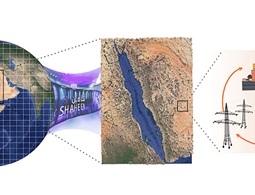
Mapping variations in sunlight across the Arabian Peninsula reveals a bright future for solar energy in the region.
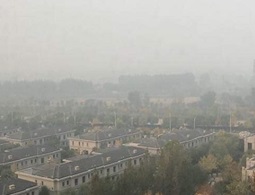
The spatial variation in different air pollution components helps identify possible targets for pollution control.
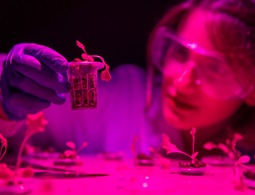

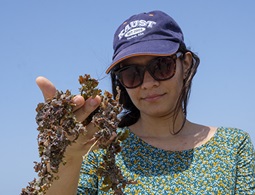
Macroalgae is shown to be a major global contributor to carbon sequestration.

A communications concept could pinpoint a person infected with a deadly, contagious virus in the middle of a crowded airport.
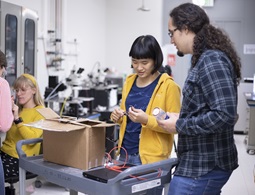
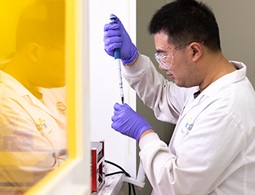
A three-component light-harvesting layer boosts performance in an organic solar cell.

Overlaying two film layers patterned with a nanoscale array can manipulate the propagation of light to create a powerful ultrathin lens.

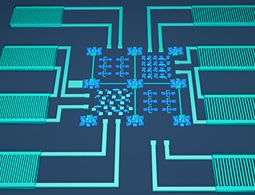
Ruthenium oxide is used to integrate energy-storing microsupercapacitors and thin-film electronics at the transistor level.