

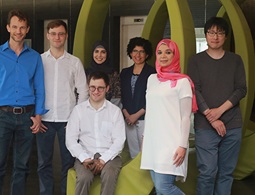
Global study links newly named syndrome with other disorders
Mutations in a repetitive protein motif are responsible for a rare cognitive disorder.
Mutations in a repetitive protein motif are responsible for a rare cognitive disorder.
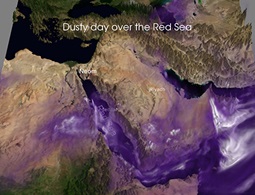
World-class computing facilities at KAUST enable researchers to tackle complex questions in climate science and oceanography.
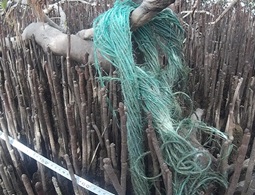
Marine plastic pollution accumulates in mangrove forests and is a danger to sea life.
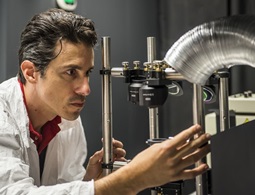
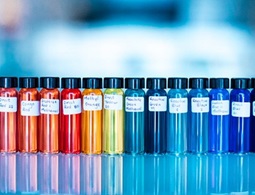
A graphene-oxide membrane design inspired by nature swiftly separates solvent molecules.
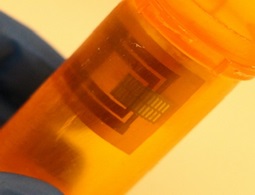
Low-cost, stretchy sensors can be assembled inside the lid of a drug container to help monitor patient safety.

Automatic detection of uncharacteristic data sequences could change the way data is processed and analyzed.
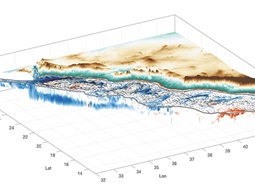
Modeling the 3D structure of Red Sea eddies shows how transport of energy and biochemical materials influences circulation patterns in the Red Sea.
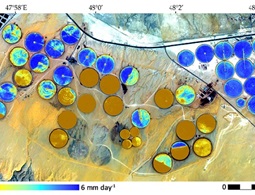
High-resolution imaging data collected by small satellites could transform how we monitor freshwater use in agriculture.
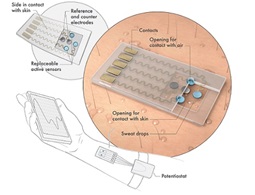
Nanotech-powered electrodes help solve the challenges of using sweat to assess biological conditions in real time.
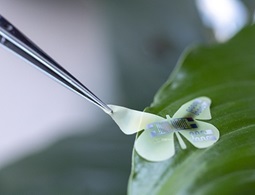
An interdisciplinary initiative is helping KAUST be at the forefront of a digital revolution, where sensors can find a use just about anywhere.