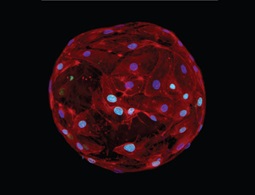
Gel drops for regenerative medicine
Tiny drops that resemble an extracellular matrix can be used to culture cells for delivery into the human body.
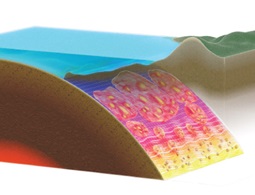
Slow slips offer insights into earthquakes
Studying slow, gentle and previously undetectable events will help reveal the origins of damaging earthquakes.
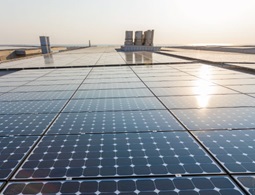
Getting smart about off-grid desalination
Theoretical modeling helps boost the efficiency of a device that generates both clean drinking water and electricity.
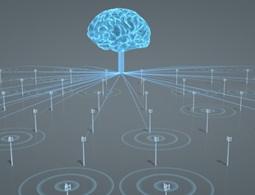
Divided attention could ease wireless congestion
Predicting wireless traffic using artificial intelligence could improve the reliability of future wireless communications.
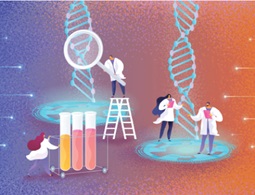
Equalizing the microbial research playing field
An approach that reduces the computational power required to analyze huge amounts of DNA data for identifying new microbes and their proteins could be used for manufacturing anything from new antibiotics to plastic-degrading enzymes.

Mixing precision for model acceleration
A mixed-precision approach for modeling large geospatial datasets can achieve benchmark accuracy with a fraction of the computational run time.
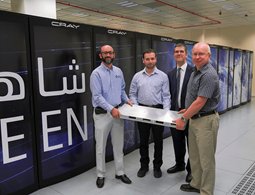
An ideal climate for supercomputing excellence
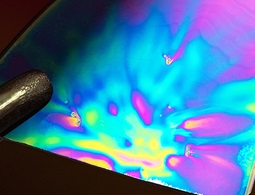
Sweet spot for membrane thickness offers sustainable separations
Perfecting the dimensions of chemical separation membranes is a step toward a sustainable chemical industry.
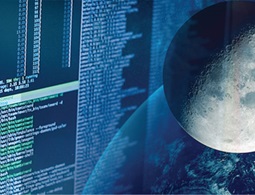
Training an AI eye on the Moon
Machine learning accelerates the search for promising Moon sites for energy and mineral resources.

Creating a lab mangrove helps to identify new bacteria
Honing a growth chamber cultivation technique leads to the identification of novel bacteria from Red Sea mangrove sediments.