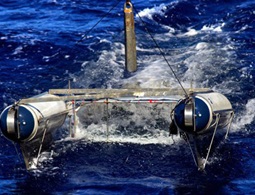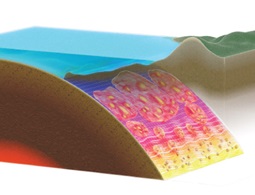
Slow slips offer insights into earthquakes
Studying slow, gentle and previously undetectable events will help reveal the origins of damaging earthquakes.
Studying slow, gentle and previously undetectable events will help reveal the origins of damaging earthquakes.
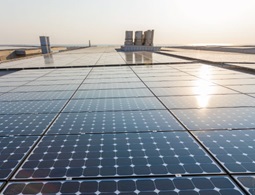
Theoretical modeling helps boost the efficiency of a device that generates both clean drinking water and electricity.
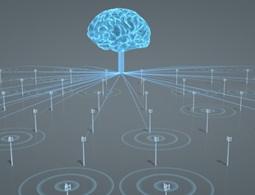
Predicting wireless traffic using artificial intelligence could improve the reliability of future wireless communications.

An approach that reduces the computational power required to analyze huge amounts of DNA data for identifying new microbes and their proteins could be used for manufacturing anything from new antibiotics to plastic-degrading enzymes.

A mixed-precision approach for modeling large geospatial datasets can achieve benchmark accuracy with a fraction of the computational run time.
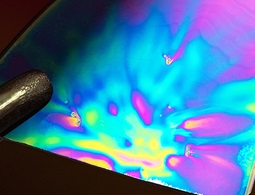
Perfecting the dimensions of chemical separation membranes is a step toward a sustainable chemical industry.
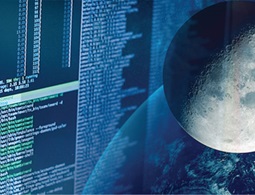
Machine learning accelerates the search for promising Moon sites for energy and mineral resources.

Honing a growth chamber cultivation technique leads to the identification of novel bacteria from Red Sea mangrove sediments.

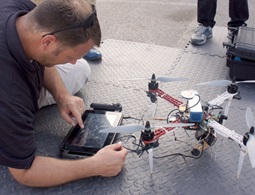
The twin technologies of unmanned aerial vehicles and wireless sensors could be the ideal combination to counter forest fires.

Conquering a chemical challenge to control the structure of a polymer opens a path to better biosensors.