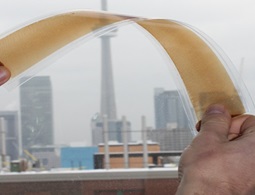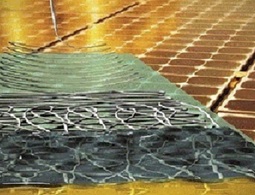
Flexible thinking on silicon solar cells
Combining silicon with a highly elastic polymer backing produces solar cells that have record-breaking stretchability and high efficiency.
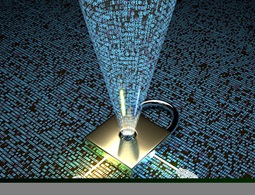
Patterned optical chips keep secrets perfectly safe
Chaos could help put cyberhackers out of business with a patterned silicon chip that will be uncrackable even in the future.
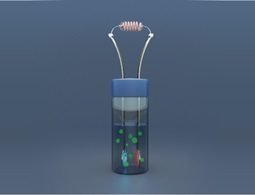
Plastic biosensor finds sweet success
Medical diagnostic device extracts energy from sugars naturally present in the body to drive its glucose-sensing circuitry.
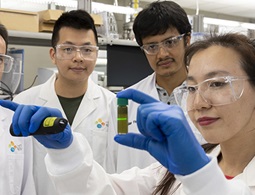
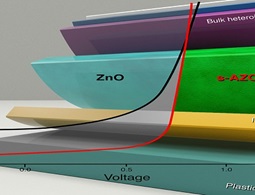
A flaky option boosts organic solar cells
Tungsten disulfide helps to channel charge in flexible photovoltaics.
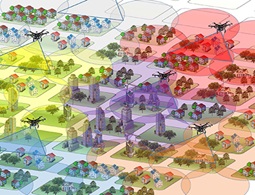
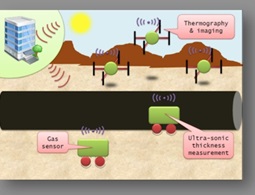
Drones deliver on internet connectivity
Hovering airborne vehicles could connect smart sensors to the internet of things.
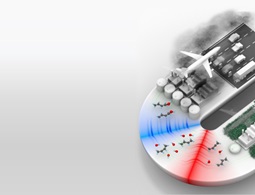
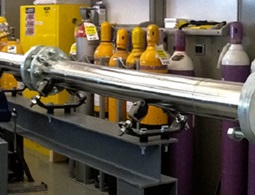
Chemical enlightenment behind reflected shockwaves
Studying the wake of reflected shockwaves reveals the cascade of chemical reactions involved in combustion processes.

A second wind for turbine design
Better prediction of extreme winds at sparsely observed locations could help optimize the design of wind farms.
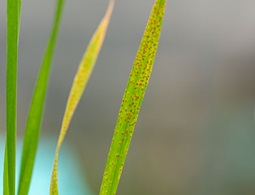
Conferring leaf rust resistance in cereal crops
Identifying genes that confer resistance to leaf rust infections could help generate durably resistant cereal crops.
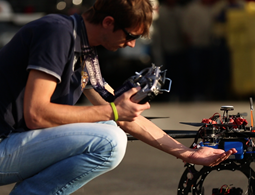
Scanning the horizon with FalconViz
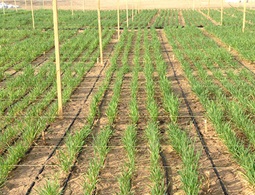
Testing barley’s salt tolerance is a numbers game
Factors influencing the tolerance of barley to saline soils have been uncovered using an advanced robust statistical technique.
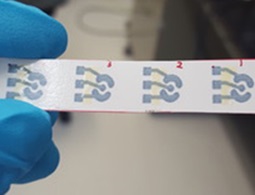
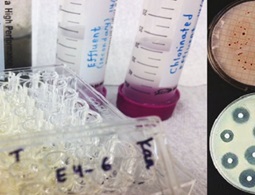
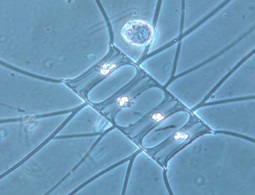
Using electronics to solve common biological problems
What do an electrical engineer, an organic chemist, a materials scientist and a cell biologist all have in common? They invent and improve applications at the interface of biology and electronics.