Predicting future hotspots in the Red Sea
Predicting areas of the Red Sea most susceptible to overheating by the end of the century could help conservation efforts to protect its precious coral reefs.
Predicting areas of the Red Sea most susceptible to overheating by the end of the century could help conservation efforts to protect its precious coral reefs.
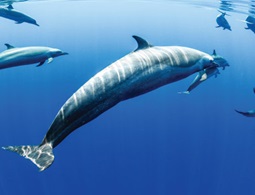
For the sake of marine life, international collaboration is required to reduce undersea sounds.
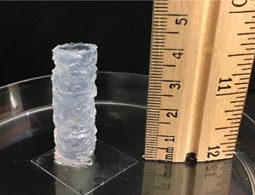
A printable hydrogel made of ultrashort peptides could help shape cells into viable tissues.
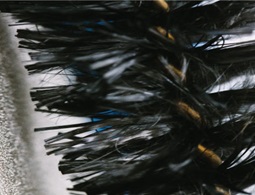
Technologies that use the metabolic properties of microbial communities to treat wastewater and generate energy will transform water reuse.
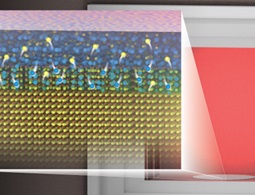
Researchers have made unparalleled ultrawide-bandgap semiconductors through temperature and timing, just like baking bread.

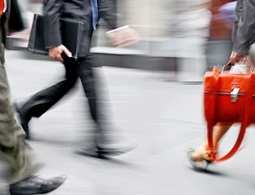
Large-scale analysis of pedestrian data from three European cities examines how building density and street design influence pedestrian behavior.

Flying drones connected by a cable tethered to a ground station could be a flexible solution for enhancing wireless connectivity in temporary hotspots.
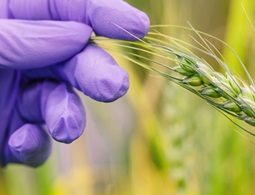
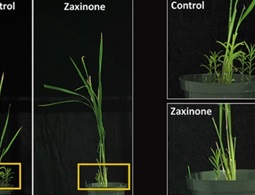
Coating crop seeds with bacteria found on a desert shrub boosts yields in hot fields.
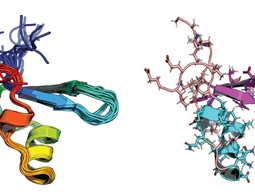
Researchers show how bacteria have adapted a sensing mechanism that allows them to live in different environments.