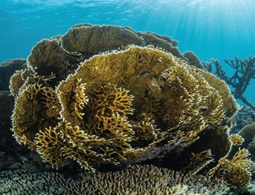
How reef-building corals got their bones
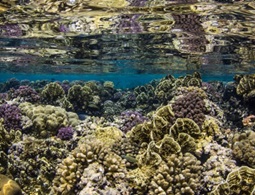
Coral ancestors had the genetic toolkit to make skeletal structures and only took simple evolutionary steps to begin building reefs.
Coral ancestors had the genetic toolkit to make skeletal structures and only took simple evolutionary steps to begin building reefs.
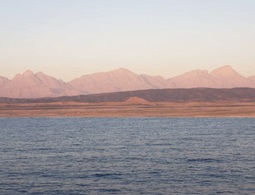
A detailed analysis combining seafloor mapping and earthquake and gravity data shows that the oceanic crust under the Red Sea is older than previously thought.

The intense sparks that occasionally accompany charged sandstorms can arise from turbulent movements of airborne dust.

The evolving periodicity of the brightness of certain types of stars can now be described mathematically.
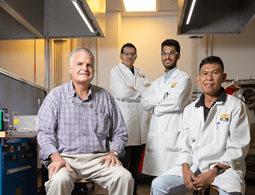
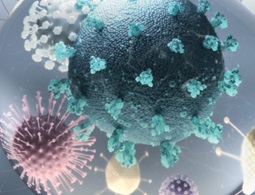
New method can simultaneously diagnose cases, track variants and detect co-infections.
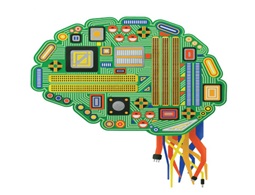
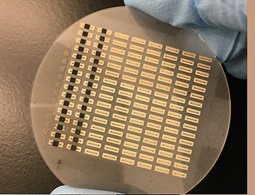
A neural network that mimics the biology of the brain can be loaded onto a microchip for faster and more efficient artificial intelligence.

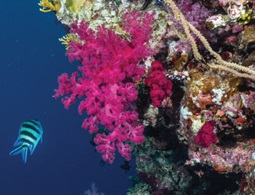
Heat stress disrupts the physiological processes of corals prior to clear signs of bleaching, with implications for adaptation strategies for coral reefs in a warming climate.

National lockdowns have provided a unique opportunity to assess the effects of human activity on wildlife, which could translate into new attitudes and better policies.
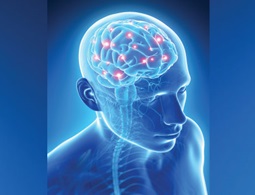
The statistics used to understand social networks reveal the diversity of functional connections in the brain.