Virus detection method is versatile and accessible
A low-cost diagnostic tool can detect a range of viruses without the need for expensive materials or facilities.
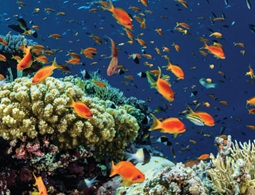
Microbiome boost may help corals resist bleaching
Providing corals with cocktails of natural probiotics could enhance their tolerance to stress and reduce mortality in coral bleaching events.
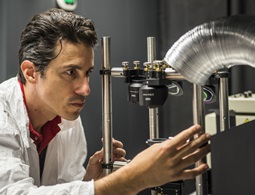
This black is the new black, and light is its prisoner
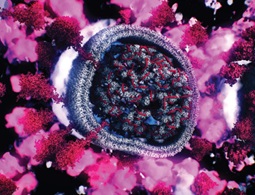
CovMT: Tracking virus mutations across the world
An interactive platform helps users visualize where SARS-CoV-2 mutations start, how wide they spread and how infectious they are.
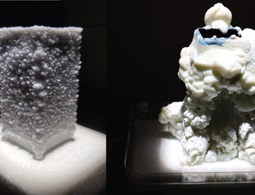
A salt solution for desalinating brine
Solar-powered brine crystallization could alleviate the environmental impacts of seawater desalination.

Giving oxygen to the question of air quality
Volatile alkanes can rapidly acquire oxygen atoms in a free radical chain reaction, a process significant for fuel combustion and air pollution.
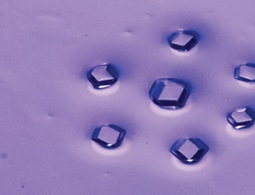
Locked MOFs are the key to high porosity
Sophisticated geometry design gives rise to a new form of crystalline material.
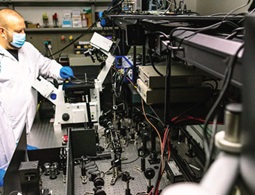
Ultrabright dots see beyond skin deep
Tiny light-emitting probes give researchers a better option for noninvasive imaging of living tissue.
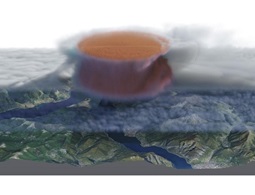
Cloud simulations get a dose of realism
A focus on the fundamental physics of cloud formation leads to highly realistic simulations of different types of clouds.
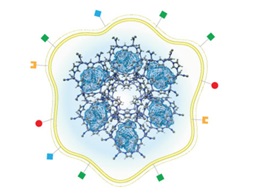
Get a load of ZIF! Better delivery of cancer immunotherapy
An antibody loaded onto a porous metal organic framework is released by the acidic environment that surrounds tumors, avoiding the adverse effects of administering the antibody alone.

What’s the catch? Algal blooms influence fishing booms
The timing of phytoplankton blooms in the Red Sea could help determine next year’s fish catch.