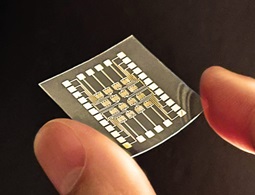
Soft touch sensitivity
Compliant and conductive carbon nanomaterial could be the perfect fit for on-skin electronics.
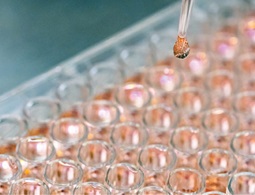
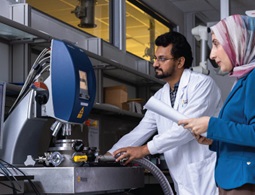
Bioreactor keeps cell culture conditions under control
Laboratory parameters maintained at physiologically relevant levels allow for more robust experiments with human cells.
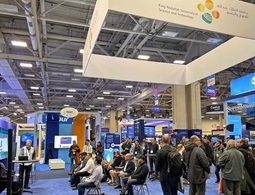
KAUST supercomputing expertise shines at SC22

KAUST healthcare collaborations usher era of precision personalized medicine

Simple hardware to defend microgrid attacks
An inexpensive piece of hardware integrated with solar panel controllers can protect isolated power networks from cyberattacks.
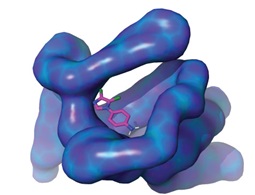
Cryptic drug-binding sites discovered in the dance
Studying the molecular motion of proteins reveals previously unseen binding sites that could be targeted by new drug candidate molecules.
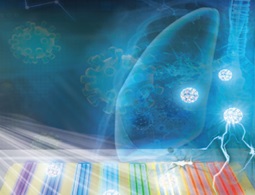
Reflecting on a shift in “rainbow” sensors
Nanostructured surfaces enable lab-on-a-chip lung cancer diagnosis.

Averda partners with KAUST for sustainable waste management solutions
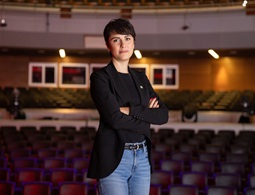
Professor Derya Baran named Royal Society of Chemistry fellow
Smarter sensor sniffs out target gases
Resonating silicon microbeams sense temperature shifts induced by airborne molecules.