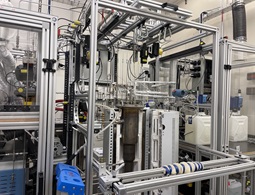

KAUST Communications and Computing Systems Lab receives international awards

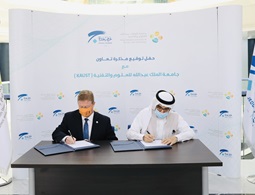
KAUST alumnus named Fulbright Fellow
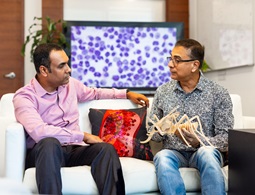
Malaria protein discovery offers path for novel antimalarial intervention strategies
Uncovering PfAP2-P’s role in parasite's immune evasion and development, opening doors to innovative anti-malaria approaches.
Biweekly research update#5
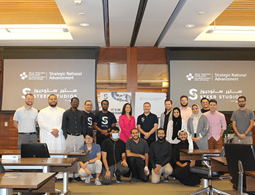
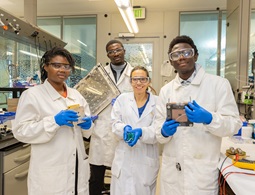
Major videogame developer seeks KAUST talent

KAUST fueling Saudi innovation
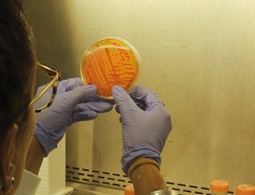
Microbiomes shaped by enzymes’ responses to ocean temperatures
The ability of marine microbiomes to respond to thermal variations in their habitats is controlled by enzyme adaptation.
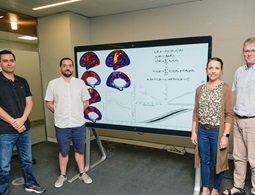
Real-time modeling a step closer to reality
An efficiency upgrade for an already fast approximation method enables accurate near-real-time modeling of complex systems and large datasets.
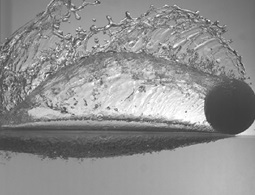
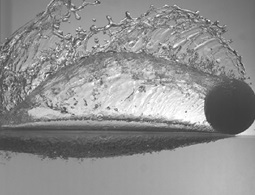
Underwater air pockets smooth out the bumps
Air cavities forming around skipping buoyant objects could help reduce drag and enhance underwater maneuverability.
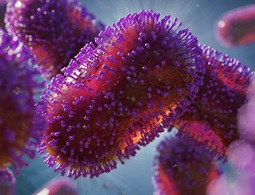
Lab-grown skin helps unlock secrets of mpox virus infection
Skin organoids offer a powerful platform for drug discovery in the ongoing fight against the virus formerly known as monkeypox.

Picking the best methods for metabolomics research
Comparison of different nuclear magnetic resonance spectroscopy methods has helped to identify the most robust approach for studying different types of biomolecules.