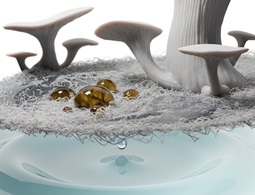
Magical mushrooms turn membranes green
Bio-inspired membrane materials from fungi mycelium are set to revolutionize separation technologies.
Bio-inspired membrane materials from fungi mycelium are set to revolutionize separation technologies.
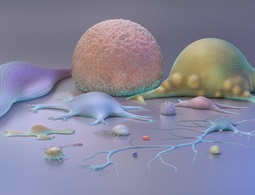
Inspired by large language models that power ChatGPT, an AI algorithm offers a new way to annotate cells.
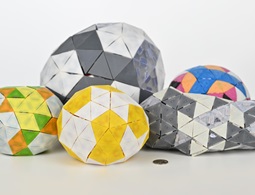
Algorithm creates tessellating triangular pieces to build physical replicas of structures such as cells or viruses.
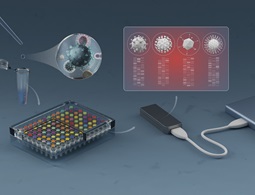
An open-source, automated and cost-effective platform for COVID-19 diagnosis and analysis of genetic variants can be built from readily available materials, with big possibilities on the horizon.

A systematic analysis of sex differences in mortality of young people up to the age of 24 will help policymakers address key disparities and reduce preventable deaths.
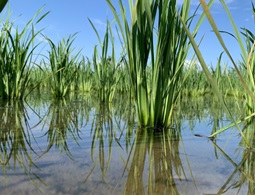
Better understanding of the roles of plant hormones could help to engineer advantageous traits into rice and other crops.
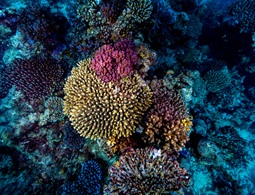
An emerging conservation strategy could help wildlife to become more resilient against a range of environmental threats.

A neural network-based approach offers an extremely fast and highly accurate alternative to the "gold standard" of likelihood estimation for statistical modeling of complex datasets.
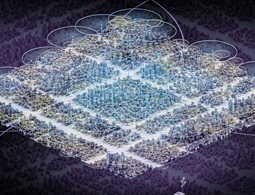
A simple yet elegant solution could improve data rates for multiple communications networks that share a common frequency band.
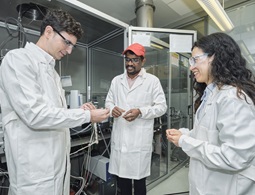
Systems that combine multiple spectroscopy and reactor technologies can bring a more accurate image of catalysts.
The efficiency of tandem solar cells is boosted with improved optical design and a careful selection of the material that connects them together.
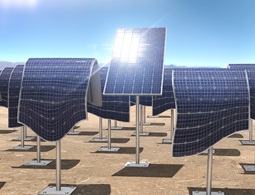
Multicomponent mixtures could provide organic solar cells that defy heat and achieve record efficiency.