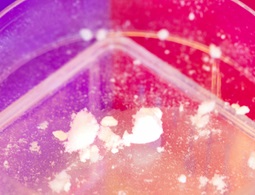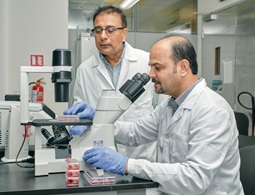
Stronger, lighter, cheaper: a new route to carbon fiber production
Low-cost oil residues could be converted into valuable carbon fibers.
Low-cost oil residues could be converted into valuable carbon fibers.
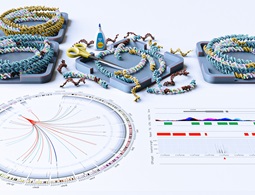
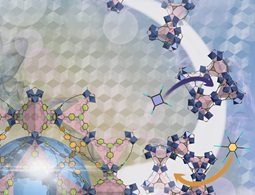
Simple fixes of unintended large genetic insertions uncovered in genome editing offer improved safety and reliability.
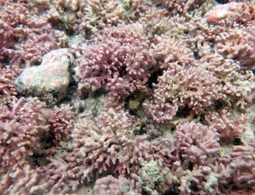
A chance discovery on the Palmyra Atoll in the tropical central Pacific enables researchers to take a close look at coralline algae ecosystems.

As glaciers shrink, a major study reveals remarkable biodiversity across the world’s glacier-fed streams, providing a global reference for future climate-change microbiology studies on this vanishing ecosystem.
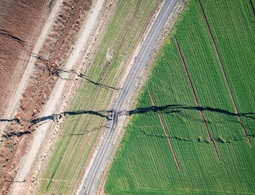
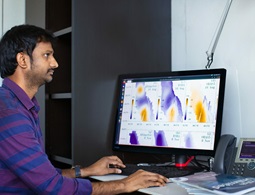
An image analysis technique shows that crustal damage from an earthquake can extend further than expected with implications for slip rate estimates and hazard assessment.
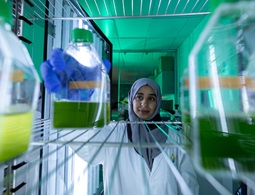
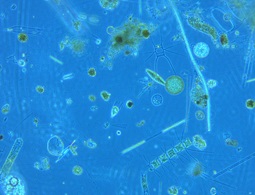
Sediment-core analysis highlights clear shifts in regional phytoplankton community trends following urbanization and industrialization on the coast of the Arabian Gulf.

KAUST welcomes the 2025 cohort of Ibn Rushd Postdoctoral Fellows. These exceptional Saudi researchers will advance their expertise at top global institutions, strengthening the Kingdom’s research ecosystem. This initiative supports Vision 2030 by developing world-class talent for academic careers and research leadership roles, positioning Saudi Arabia as a leader in innovation and scientific discovery.
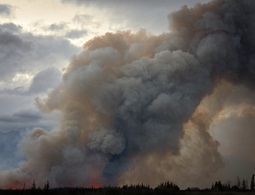
Insight into how photoexcited biomass-burning organic aerosols boost sulfate formation could help control wildfire-driven air pollution.
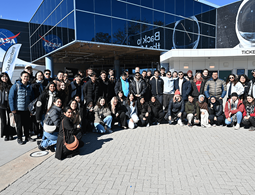
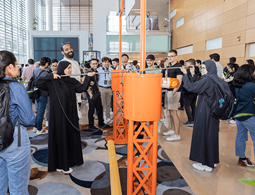
KAUST Technology Innovation and Entrepreneurship (TIE) students excelled at the International Business Plan Competition (IBPC), securing first, second and third place wins alongside global peers, demonstrating KAUST’s role in developing top-tier entrepreneurial talent and boosting the Kingdom’s reputation for top-tier academic programming. Through TIE, KAUST equips students with the skills to transform research into market-ready solutions, advancing Saudi Vision 2030 and KAUST’s Accelerating Impact strategy.
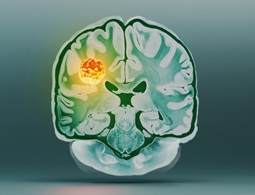
A physically consistent and self-adaptive numerical modelling approach opens the door to more accurate and reliable computational simulations of clinical and biological processes.