

Disease researchers have a way with words
Specialized word search method sheds light on phenotypic similarity of diseases.
Specialized word search method sheds light on phenotypic similarity of diseases.
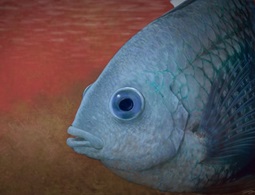
A coral reef fish can acclimate to warm temperatures in just two generations.

Identifying noise in communication signals helps to filter out glitches and improve transmission quality.
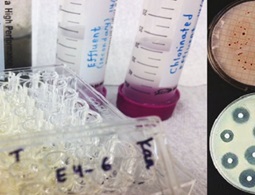
Treated wastewater may be suitable for some irrigation uses, but antibiotic-resistant microbes could be cause for concern.
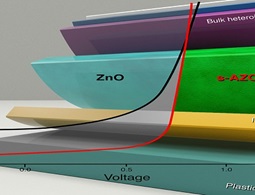
An oxide layer optimized to selectively transmit electrons can improve the efficiency of organic solar cells beyond 10 percent.
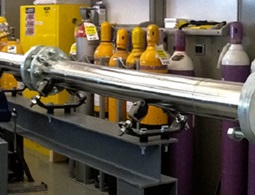
A fast computational method optimizes sensor measurement networks for noisy, sparsely observed environments.
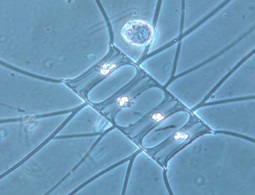
A look at life in the depths of the ocean reveals an efficient system of pumping carbon out of the atmosphere.
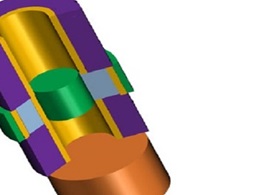
Transistor designs based on nanotubes could considerably reduce the power demands of computers.
A tiny device broadens the bandwith to enable absorption with wide-reaching potential for electrical engineering.
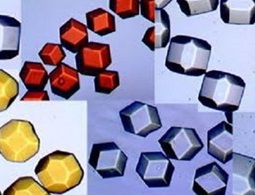
Making the pores of metal-organic frameworks smaller could open up new opportunities in gas separation techniques.

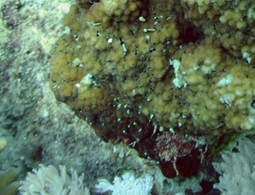
A coral named for KAUST could provide a glimpse of future reef conditions under climate change.