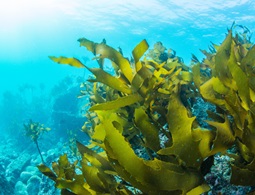
Weeding out the secrets of Red Sea macroalgae
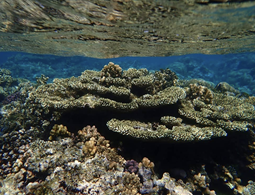
An analysis of chemical elements found in macroalgae from the Red Sea provides insights into regional blue carbon stores and worrying pollution trends.
An analysis of chemical elements found in macroalgae from the Red Sea provides insights into regional blue carbon stores and worrying pollution trends.
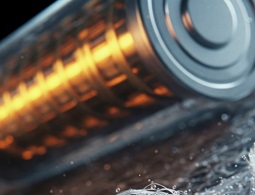
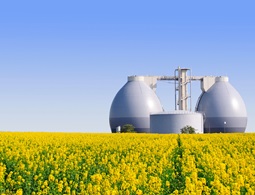
Pressure swing adsorption systems can produce high-purity methane and carbon dioxide.
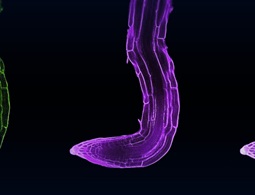
Uncovering the mechanism of how soil bacteria improve plant resilience to drought and salinity could be important for mitigating effects of climate change on crop production.
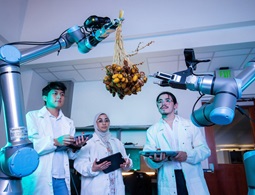


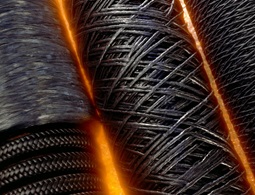
Low-cost oil residues could be converted into valuable carbon fibers.
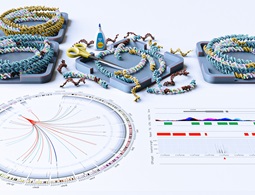
Simple fixes of unintended large genetic insertions uncovered in genome editing offer improved safety and reliability.
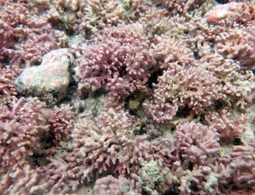
A chance discovery on the Palmyra Atoll in the tropical central Pacific enables researchers to take a close look at coralline algae ecosystems.
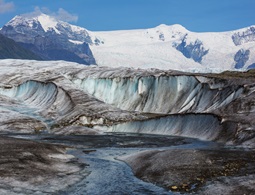
As glaciers shrink, a major study reveals remarkable biodiversity across the world’s glacier-fed streams, providing a global reference for future climate-change microbiology studies on this vanishing ecosystem.
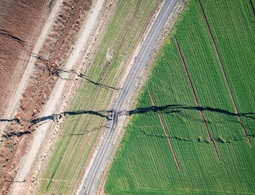
An image analysis technique shows that crustal damage from an earthquake can extend further than expected with implications for slip rate estimates and hazard assessment.