

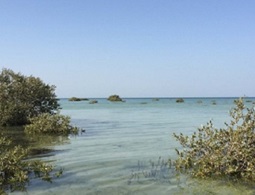
Coastal creep by Red Sea mangroves
Satellite imagery shows that the Red Sea’s mangrove forests have increased, not decreased, over the last 40 or so years.
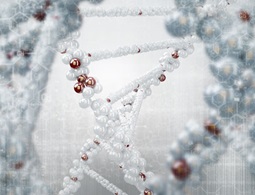
Noisy cells produce bursts of protein
A new mathematical model explains how random factors affect the production of proteins within the cells.
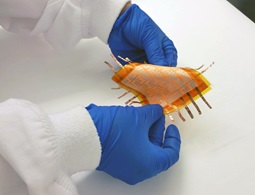
Paper Watch and Artificial Paper Skin Sensors
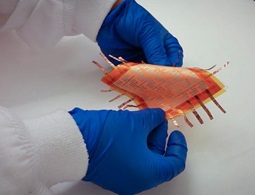
Artificial skin sensors made from sticky notes
A paper-based sensor that mimics the sensory functions of human skin has been developed for the first time from low-cost and commonly available household materials.
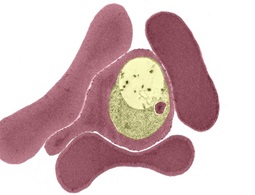
Pathogen expertise boosted with latest genomics
Expert knowledge in the field of DNA and RNA sequencing puts KAUST at the forefront of high-impact pathogen research.
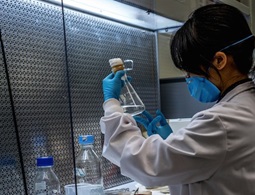
Designing the perfect surface catalyst
Learning how an aluminum compound binds to silica may pave the way to a reliable petrochemical catalyst.

Wireless devices tune-in to cloud power
Next-generation mobile networks can use cloud computing algorithms to manage the increasingly high data demands of users.
Advances in uncertainty quantification methods
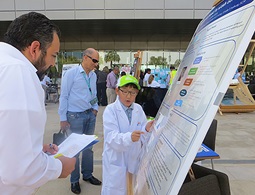
2016 Science Fair a 'big bang'
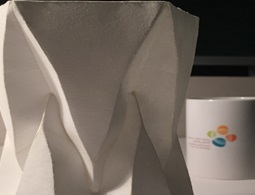
Bringing computational engineering into the fold
An interactive computational tool opens new possibilities for "developable" surfaces.
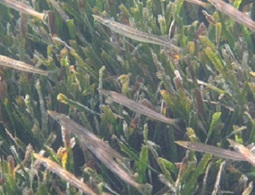
Ready for the high seas?
Seagrass genome reveals the structural and physiological adaptations needed for plants to survive and thrive in the marine environment.