


Fewer defects from a 2D approach
Flatter materials have fewer imperfections, which makes for better solar cells and light sensors.
Flatter materials have fewer imperfections, which makes for better solar cells and light sensors.


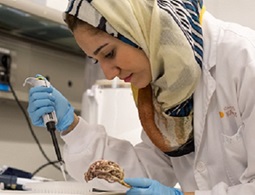
Herbal remedy plants native to Saudi Arabia are shown to have potential as treatments for cancer.

Sifting through huge amounts of data may bring better understanding of whale shark social structures, protein targets for drug therapies and disease-causing genes.
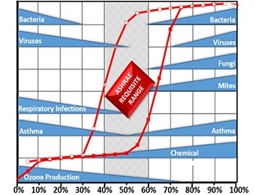
Dual-functioning MOF material autonomously ensures indoor humidity is just right.
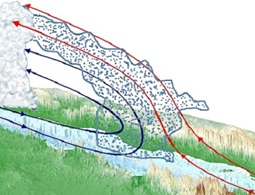
Modeling leads to a better understanding of the role El Niño plays in increasing rainfall along the coast of the Red Sea.

A nature-based technique paves the way for cheaper and environmentally friendly liquid-repellent materials.



Plants can reprogram their genetic material to mount a defensive response against pathogens, which may have applications for agriculture.
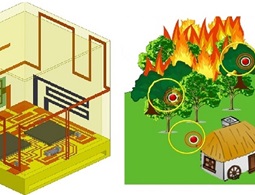
3D-printed, disposable sensors capable of detecting noxious gases and changes in temperature and humidity could revolutionize environmental monitoring.