

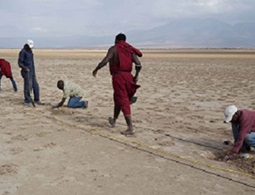
Rocking the cradle of humankind
Geophysical modeling of one of the world’s most important fossil sites reveals the history of the site where early humankind evolved.
Geophysical modeling of one of the world’s most important fossil sites reveals the history of the site where early humankind evolved.
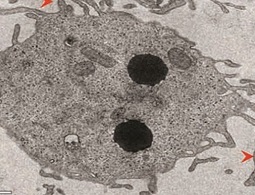
The protein CD34 is predominantly regarded as a marker of blood-forming stem cells but it helps with migration to the bone marrow too.
Fine tuning the composition of nitride alloys can further the development of optical and electronic interface devices.
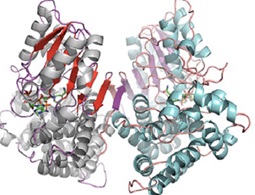
Genomes of single microbial cells isolated from the Red Sea could yield a goldmine for biotechnology.
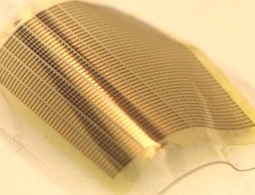
Wavy transistors that vertically gain width without increasing their on-chip footprint could drive future flexible displays.
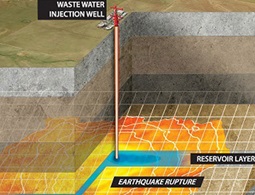
A model incorporating the physics of ruptures provides valuable information about human-induced earthquakes.

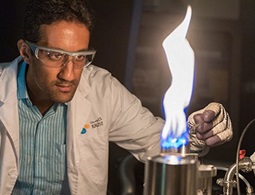
The transition to renewables will take decades, so we must rush to clean up conventional fuel combustion, says Mani Sarathy.
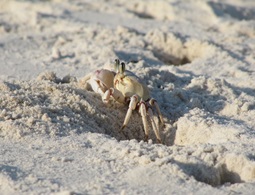

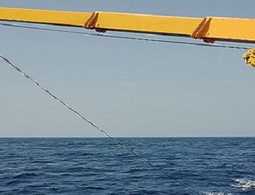
The Red Sea has relatively low amounts of floating plastic debris in its surface waters due to fewer sources or faster removal.
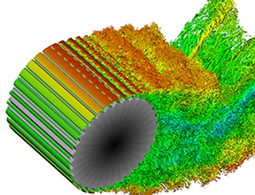
Theoretical simulations reveal how subtle changes in friction on an object’s surface can have a large effect on drag.