

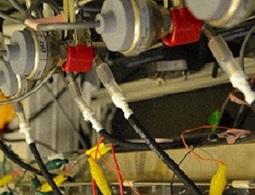
Bacterial power to reduce toxicity of water supply
Wastewater treatments based on bioelectrochemical systems can generate energy while removing potentially toxic compounds.
Wastewater treatments based on bioelectrochemical systems can generate energy while removing potentially toxic compounds.
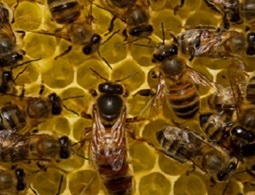
An integrated set of genetic mechanisms controls whether bees behave as foragers or nurses.
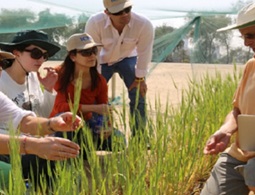
Novel use of sensors and associated high-resolution imaging in agriculture aims to facilitate a more sustainable future.
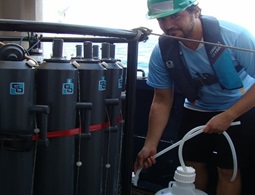
Elevated bacterial populations in waters near beaches and urban areas could pose a problem for desalination plants.
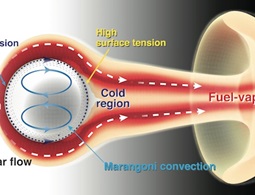
Simulations reveal the final moments of a fuel droplet as it combusts in a spray injection engine.
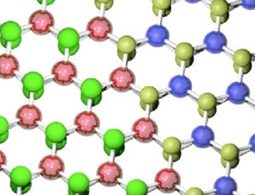
Perfect interfaces between sheets of two-dimensional semiconductors enable advanced electronic devices.
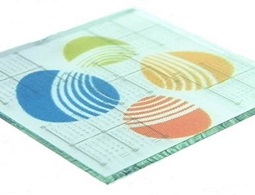
Performance improvements of indium zinc oxide transistors could lead to enhanced transparent displays for screens and phones.
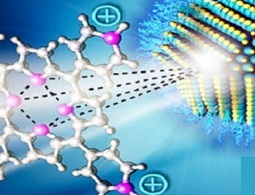
Quantum dots improve the performance of cost-effective, solution-processed solar cells.
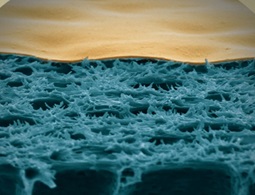
A material for filtration that is easy and cheap to produce could aid water treatment, solvent filtration and membrane-catalysis.
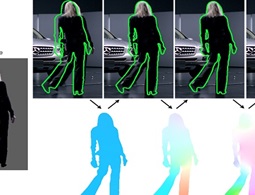
A surprisingly simple algorithm helps computers perceive individual objects inside videos from their movement patterns.
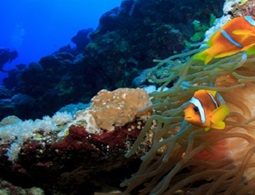
Some coral reef fish species don’t settle very close to home.
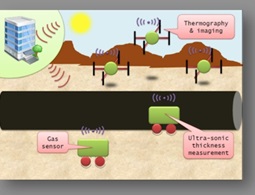
An improved wireless communication protocol enables more robust links between remote electronic devices.