

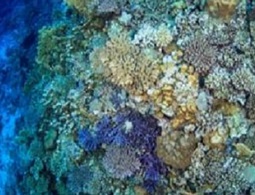
Gene sequences reveal secrets of symbiosis
Genome sequences of dinoflagellate algae indicate how they maintain their symbiotic relationship with corals.
Genome sequences of dinoflagellate algae indicate how they maintain their symbiotic relationship with corals.

Studying dusty air, especially in the Middle East, which is part of the Earth’s notorious dust belt, has both local and global significance.

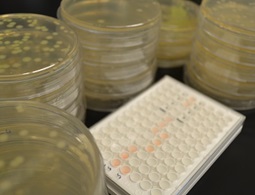
An antibiotic resistant strain of bacteria found circulating in Jeddah’s municipal wastewater could have severe implications for public health.

Inscribing porous, carbonized patterns into a polymer creates sensitive electrodes that detect biological molecules.
The close association between corals and bacteria may help protect coral from heat stress and bleaching.

A new approach to analyzing household electricity: smart-meter data could improve the performance and efficiency of national power grids.
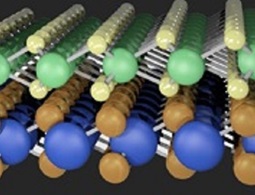
A simple model is shown to accurately predict the electronic properties of a combination of 2D semiconductors.

A gene-editing method shows promise for using targeted gene-replacement therapy in living organisms.

Sensitive detection of partial faults in antenna systems could prevent performance degradation in wireless networks.