

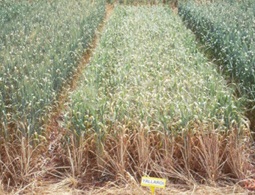
Growing on salty soils
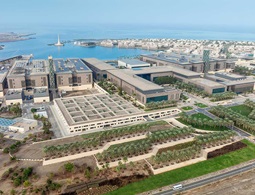
KAUST Center for Desert Agriculture leads research to improve crop yields from desert soils.
KAUST Center for Desert Agriculture leads research to improve crop yields from desert soils.
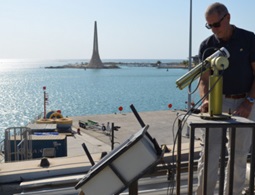
KAUST’s Earth Science and Engineering Program is underpinned by a drive to develop sustainable ways to get the best from natural resources and quantify environmental hazards.
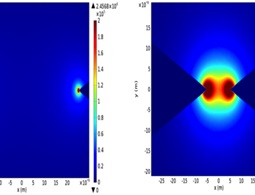
Sustainable energy generation boosted by a nanoscale device that converts thermal infrared radiation to an electrical current.
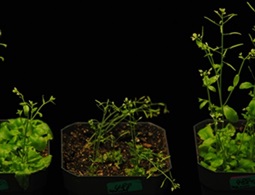
Discovery of the molecular mechanism by which a protein confers salt tolerance in plants could boost crop yields in high-saline soils.
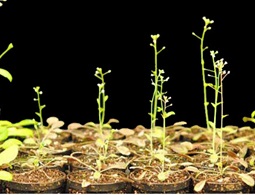
Resistance to a popular herbicide provides insight into the control of a key biosynthetic pathway.
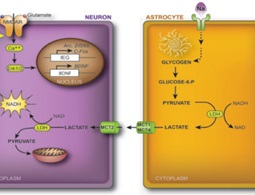
Lactate plays an unexpected role in brain function.
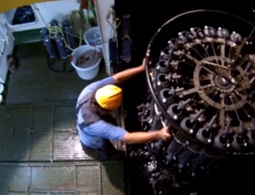
Single-cell analysis of microbes from Red Sea deep brine pools reveals the genetic innovations needed to thrive in extreme conditions.
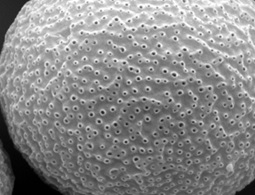
Nanoparticles with pores that expand and shrink could prove valuable for biochemical research and drug delivery applications.

Devilrays soak up the sun’s heat then make some of the deepest and fastest dives ever recorded in the ocean.
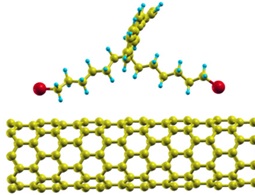
Theoretical studies analyze the nature of the bonding relationship between conjugated polymers and carbon-based materials.
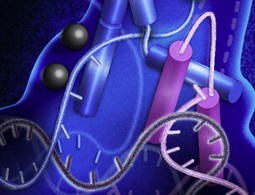
An enzyme involved in maintaining genome fidelity goes through seven steps to recognize its DNA substrates.
Nanoscale thin films containing unconventional, glass-like magnetic states can lead to the development of novel charge-spin coupled devices.