

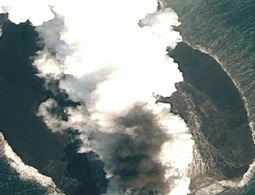
Plate separation births two volcanic islands
The emergence of two volcanic islands in the Red Sea suggests a larger underlying event linked to African-Arabian plate separation.
The emergence of two volcanic islands in the Red Sea suggests a larger underlying event linked to African-Arabian plate separation.
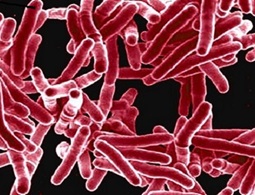
A new computational framework shows how pathogens interact with host cells at the metabolic level.
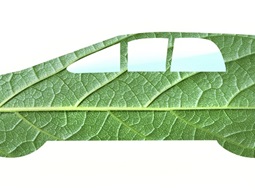
A catalyst that helps develop a new route to break up carbon dioxide uses a renewable source of clean energy.
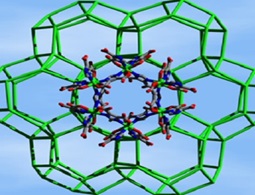
Thin film membranes could efficiently separate carbon dioxide and other gases from mixed gas flow streams.
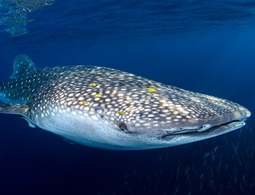
Rather than migrating, whale sharks in Tanzania hide surprisingly close to home year-round.
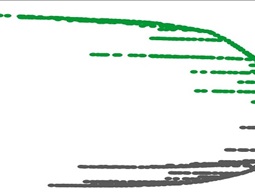
A statistical approach that can find patterns in large data sets, even in the event of missing or incorrect figures, is proving useful from genomic studies through to planning a marine reserve.
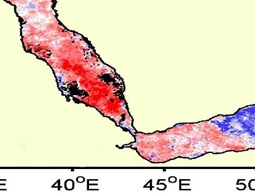
A warmer Red Sea may be more productive due to the influence of winter monsoons.
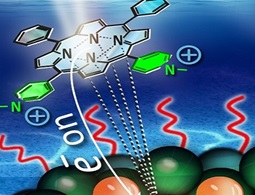
Efficiently extracting the charge required by quantum dot solar cells can be controlled by chemically configuring molecules.
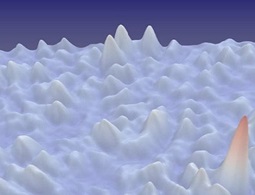
A microchip designed to generate and control rogue waves of light on the nano-scale has many potential applications.
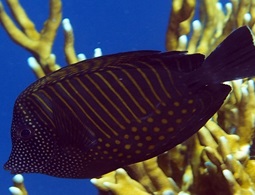
DNA sequencing of reef fish microbiomes shows that diet is all-important.
Analyses of marine bacteria offer insights into processes of carbon storage and release beneath the sea.
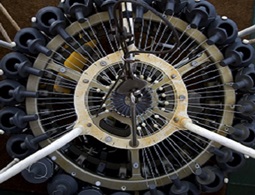
A woven carbon cloth coated in a conducting polymer and an oxide-material provides a stable way of storing energy.