
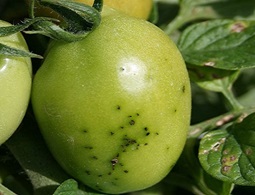
Shaping up against pathogens
Plants can reprogram their genetic material to mount a defensive response against pathogens, which may have applications for agriculture.
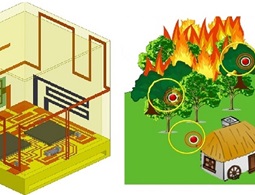
Smart sensors could save lives
3D-printed, disposable sensors capable of detecting noxious gases and changes in temperature and humidity could revolutionize environmental monitoring.
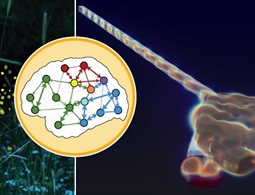
A firefly’s flash inspires new nanolaser light
Synchronized emissions from innovative on-chip lasers create possibilities for inexpensive artificial neural networks.
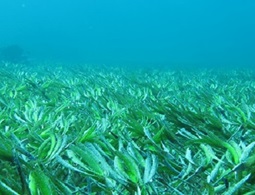
A blue carbon future
Mangroves, seagrass meadows, seaweeds and saltmarshes, the forests of the sea, perform a vital and often overlooked role in storing carbon and mitigating the effects of climate change.
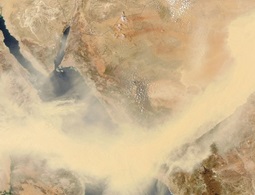
Going to extremes to predict natural disasters
A systematic approach to selecting and configuring statistical models improves predictions of extreme events.
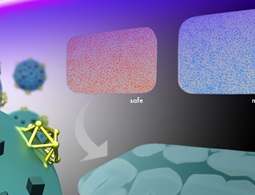
Nanoparticles take a bite out of infections
Spiky-shaped additives help antimicrobial coatings sense and inhibit bacteria growth on dental devices.
Keeping the heat out
Insights into the thermal behavior of metal-nitride nanowires could open new avenues in optical electronics.
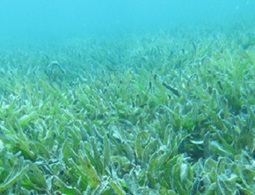
Marine reserves offer protection
Protection zones for coasts and oceans are an effective way to help marine and human communities to adapt to climate change.
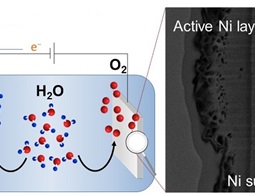
Splitting water for the cost of a nickel
A simple treatment of nickel to make it an efficient catalyst for water splitting.
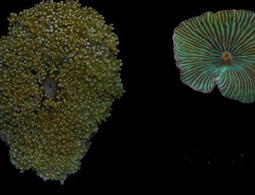
Mushroom-like corals get their genomes mapped
The genome sequences of two "false" corals offer a window into the evolution of calcification, which may help their reef-building cousins.