


Smart technology shows where we’re at
A combination of state-of-the-art sensors and standardized data analysis will transform research for tracking animals and humans.
A combination of state-of-the-art sensors and standardized data analysis will transform research for tracking animals and humans.

Modelling reveals how atmospheric dust influences daytime patterns of energy transfer from sunlight.
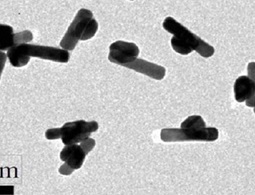
Metallic nanostructures absorb light better than any other known structures.
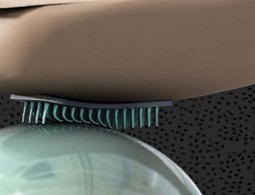
Biocompatible tactile sensors based on magnetic hair-like structures enable new applications for touch sensors.

Environmentally friendly butanol additives improve gasoline performance in spark ignition engines.
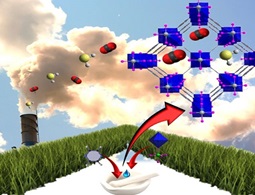
A solvent-free technique for creating adsorbent materials could reduce carbon dioxide emissions.
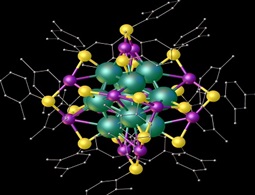
An atomically precise investigation reveals close similarities between silver and gold nanoparticles.
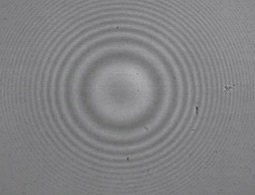
Ultrafast cameras spy surprising air-trapping effects intrinsic to droplet-based technologies such as inkjet printing.
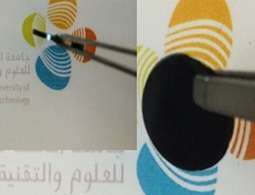
A mineral used in electrochemical devices that was thought to be a semiconductor is now identified as a metal.
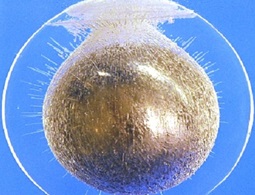
High-speed imaging of perfect ice spheres free-falling in water reveals surprising insights into drag reduction.
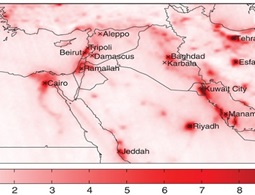
Conflict and economic crises, combined with pollution control measures, are changing the air above the Middle East.
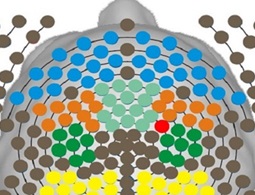
A statistical method helps to identify abnormal signals in electroencephalograms and locate their source in the brain.