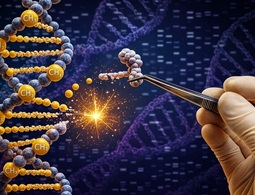
Harnessing the unintended epigenetic side effects of genome editing
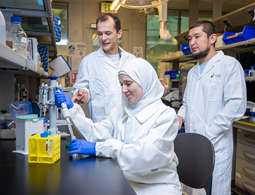
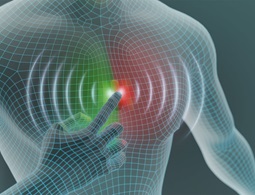
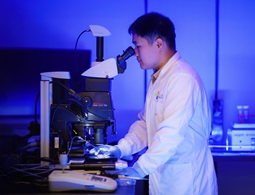
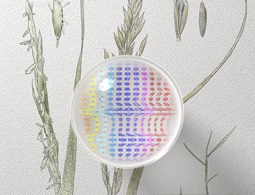
Insights into how CRISPR-Cas9 genome editing leaves lasting epigenetic ‘scars’ may improve safety for patients, and could inform novel treatment options.
Insights into how CRISPR-Cas9 genome editing leaves lasting epigenetic ‘scars’ may improve safety for patients, and could inform novel treatment options.
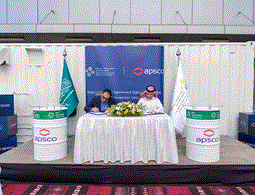
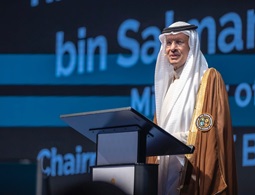
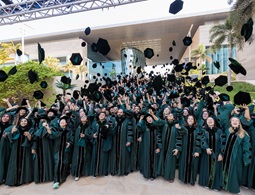
KAUST commencement, KAUST graduation, Prince Abdulaziz bin Salman, HRH, Saudi Arabia, Rhodes Scholarship, Rhodes Fellowship, Osama Dabbousi
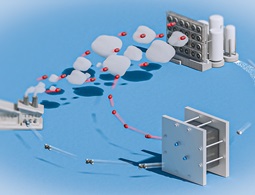
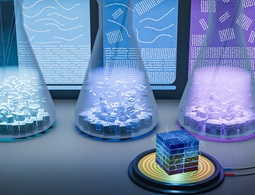
A KAUST-designed reactor uses renewable electricity to convert captured carbon into high-value chemicals, making CO₂ reuse economically viable.
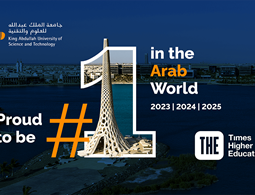
King Abdullah University of Science and Technology (KAUST) has been ranked No. 1 in the Times Higher Education (THE) Arab University Rankings 2025, marking its third consecutive year at the top. This global recognition reinforces KAUST’s position as the leading research university in the Arab world and reflects the Kingdom’s continued global leadership in science, technology, and innovation.
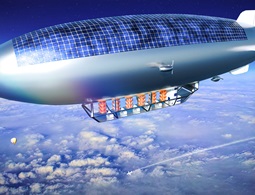
Deploying advanced computers on floating platforms in the stratosphere could save on cooling costs.
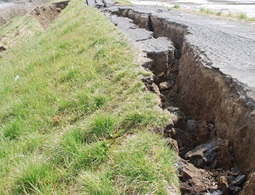
A record-setting earthquake in Myanmar challenges how scientists predict future seismic hazards.
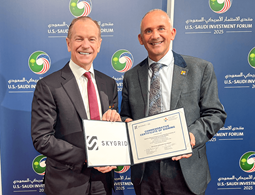
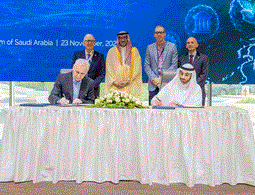
KAUST sign MOU with SkyGrid to develop advanced air mobility technologies in Saudi Arabia on the sidelines of Saudi-US Investment Forum.