

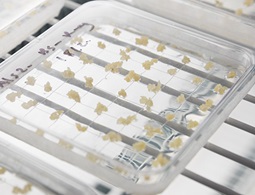
Better plant edits by enhancing DNA repair
A protein hijacked from a bacterial pathogen helps to facilitate more precise genome editing in plants.
A protein hijacked from a bacterial pathogen helps to facilitate more precise genome editing in plants.
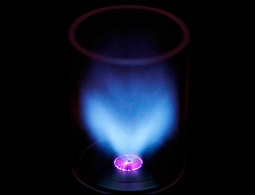
Advanced modes of combustion that are controlled by plasma discharges could become key components of the circular carbon economy.
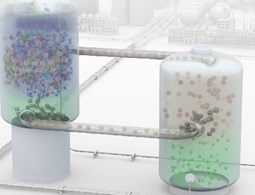
A molecule with a hollow center proves ideal for separating a common industrial chemical mixture.

The conversion of skin cells into brain cells relies on proper insertion of L1 elements.
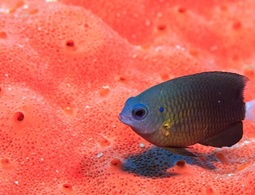
A framework that helps marine scientists select localized carbon dioxide levels for experiments aims to improve robustness in global warming studies.
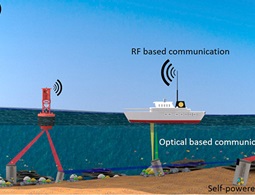
Light can simultaneously transfer energy and data to underwater devices, but there’s a long way to go before these systems can be deployed.
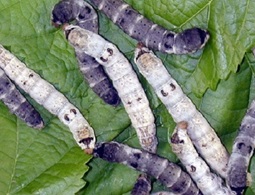
E-selectin is grown in silkworms for the first time, revealing new aspects of its binding dynamics.
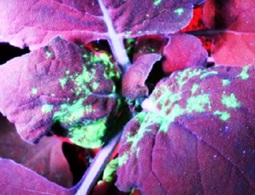
A Cas protein that cleaves viral RNA has been harnessed in a CRISPR/Cas system to destroy prolific viral infections in crop plants.
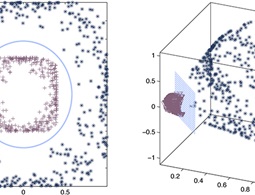
Machine learning tasks using very large data sets can be sped up significantly by estimating the kernel function that best describes the data.

Modeling the combustion properties of gasoline is driving the search for cleaner fuels.
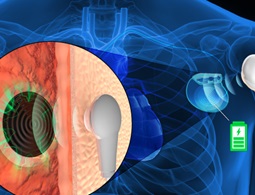
A way to remotely charge batteries through flesh could help develop components for permanent implantable medical devices.
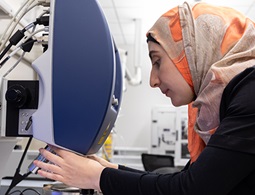
Variations in the vibrations of beams of silicon create a sensitive way of measuring pressure changes.
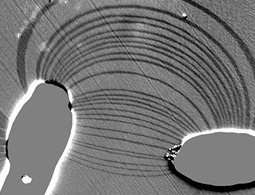
The flow of an electrical current can be imaged directly using magnetic bubbles.
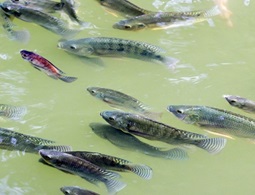
A self-powered water quality sensor could help fish farmers to monitor pollution in their ponds remotely.
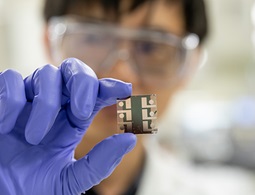
Unconventional perovskites with an inverted structure see a leap in efficiency and longevity with an amine-based additive.
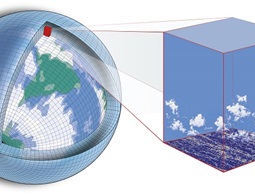
A universal high-performance computing interface allows popular statistical tools to run efficiently on large geospatial datasets.
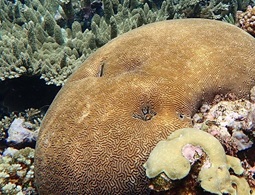
First evidence that animal DNA methylation patterns can be passed to the next generation.
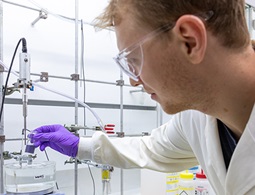
More efficient photocatalysts could unlock the potential of solar energy.
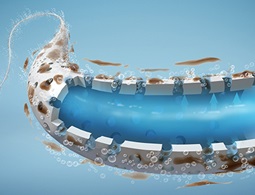
Carbon dioxide bubbles could be a fast and environmentally friendly way to unclog seawater filters and keep the supply of drinking water flowing.
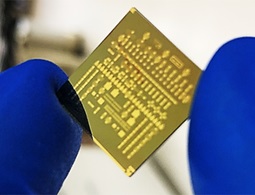
A simple, cost-effective technique uses solution-based printing to make better ultrathin transistors.