

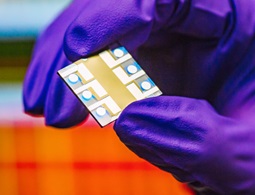
Illuminating perovskite photophysics
Light causes small rapid distortions in solar cell material, affecting how charge carriers behave.
Light causes small rapid distortions in solar cell material, affecting how charge carriers behave.

Machine learning techniques used to analyze case data show promise for predicting the evolution of an epidemic.
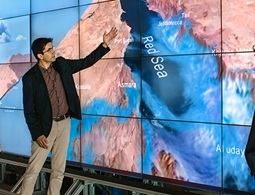
Simulations show that solar panel installations could go a long way toward addressing Saudi Arabia’s growing water crisis.
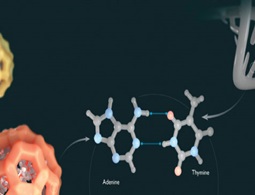
Hybrid material helps ferry genetic cargo to target cells.
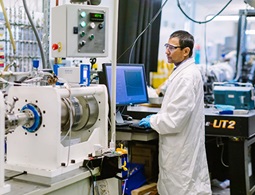
Clean and sustainable fuels could be derived by combining ammonia with complementary combustion-modifying additives.
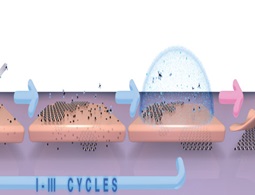
An interface-templated method enhances the crystallinity of large single-layer graphene sheets on insulating supports.
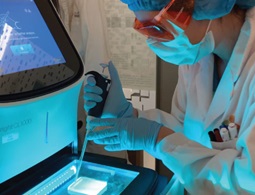
Stem cell analyses could reveal how extra doses of some genes lead to the characteristics seen in males born with one or more surplus X chromosomes.
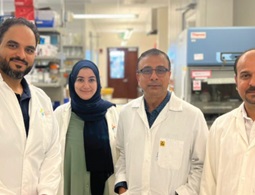
Insight into the function of the nucleocapsid protein could help develop drugs that reduce coronavirus impact.

Unmanned aerial vehicles show promise for monitoring coastal water flows over large areas.
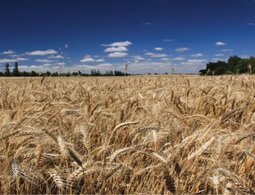
Sequencing a high-quality bread wheat genome facilitates the identification of a gene that confers stripe rust resistance and may lead to improved crop resilience.
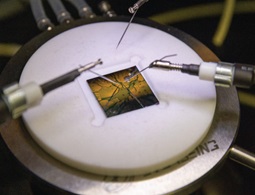
A novel device architecture makes organic electronics applicable to 5G telecommunications.
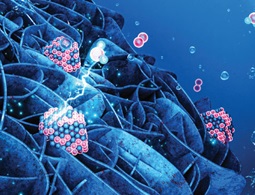
An electrode made from inexpensive earth-abundant metals bubbles with potential for green fuel production.
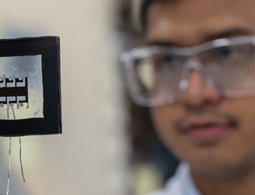
Tunable perovskite-based multilayered films provide long-term stability for high-performing solar cells.
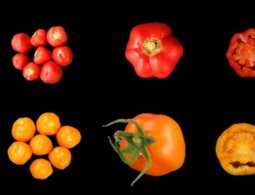
A novel plant-breeding strategy is targeting crop yield, nutritional value and stress tolerance, all through the expression of one gene.

A solar-driven system to generate electricity and produce water for crops in arid areas may help a decentralized approach to food, water and energy security.
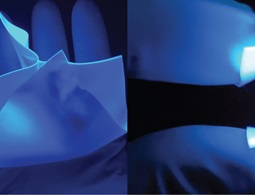
Sensitive and flexible scintillation screens bring better X-ray imaging.
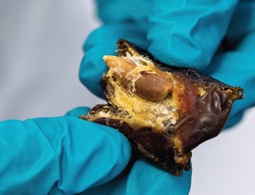
Membranes made from date seed biomass could provide a greener and more cost-effective alternative for industrial separation.
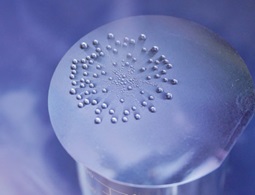
Hydrogen peroxide only forms in the presence of ozone in water microdroplets.
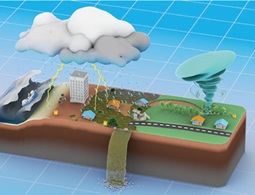
A corrected description of the "tail dependence" for extreme events leads to a better statistical model for environmental data.
Cell processes and research reproducibility may be significantly impacted by changes in batch cultures as cells grow. More monitoring and improved procedures are needed.