

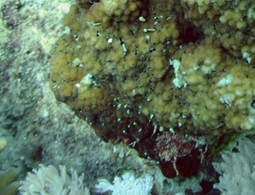
Discovering a new coral species
A coral named for KAUST could provide a glimpse of future reef conditions under climate change.
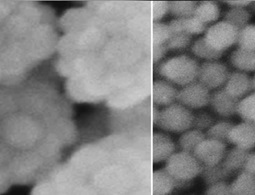
A light load for nano-porters
Tiny carriers assembled from oppositely charged nanoparticles open to release their cargo under light exposure.

Tech Tour seeks most promising tech companies in Saudi Arabia, MENA and Europe.
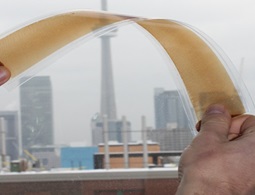
QD Solar brings quantum cell technology into the light
Funding from KAUST is helping to bring innovative solar power technology to fruition with startup company QD Solar.

Peak performance for proteins
An improved peak fitting procedure enables a better determination of protein structures.
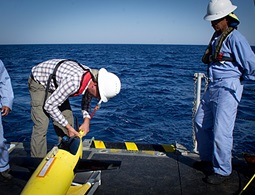
KAUST glides into the future of oceanography
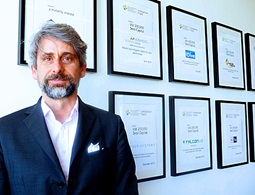
KAUST Innovation Fund provides funding for technology-based startups
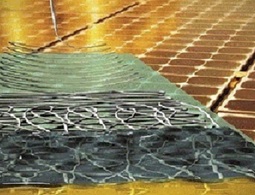
Branching out into solar cells
The fabrication of branched titanium dioxide nanomaterials enhances the connectivity in solar cells for a better performance.

The Computational Bioscience Research Center inauguration
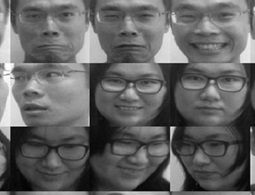
Finding the face in the crowd
An algorithm that maximizes the difference between data categories achieves high accuracy in classifying faces.
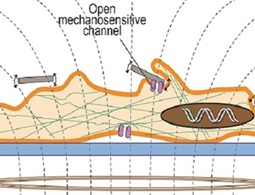
Targeting cancer cells with tiny magnetic wires
Magnetic nanowires with weak magnetic fields and low frequencies can destroy cancer cells without generating heat.