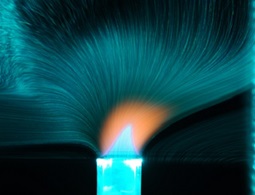
Gazing into the flames of ionic winds
New 3D visualizations that reveal how flames respond to electric fields could help improve combustion efficiency and reduce pollution.
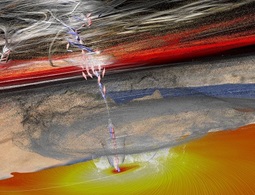
Visualization helps science to see the unexpected
Advances in how science is presented means that visual tools can inspire research, as well as make its results accessible to the world.
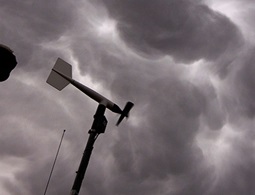
Letting the data speak for itself
A new statistical approach for environmental measurements lets the data determine how to model extreme events.
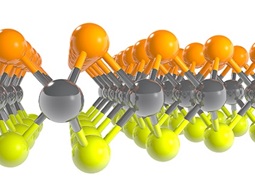
Looking both ways for new-style semiconductors
Introducing asymmetry across the two sides of atomically thin materials brings new opportunities in semiconductors.
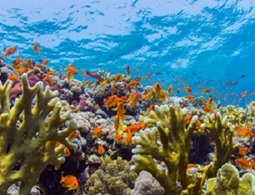
Can coral reefs change with the times?
Coral ecosystems may be able to adapt rapidly to climate change through natural plastic responses.

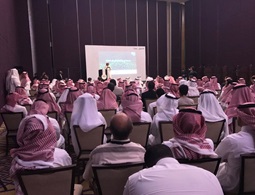
'A mission for learning' at eighth Academic Convocation
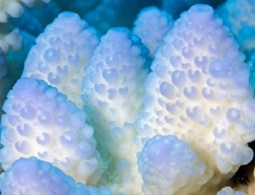
Helping corals to cope with pressure
When faced with high salinity, the tiny plant cells within coral tissue alter their metabolites to better cope with stress.
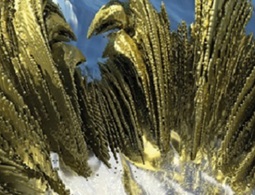
Dark materials squeeze green fuel from sunlight
Metallic nanostructures that slow down light dramatically can triple the efficiency of solar-based hydrogen fuel generation.

Shape-shifters soak up sunshine
Photosensitive perovskites change shape when exposed to light.

KAUST Ph.D. student wins poster award at the European Materials Research Society Spring Meeting