

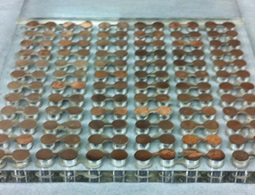
Windows could take the heat
Generators embedded in windows produce electricity from the temperature differential between an air-conditioned interior and a sunny outside world.
Generators embedded in windows produce electricity from the temperature differential between an air-conditioned interior and a sunny outside world.
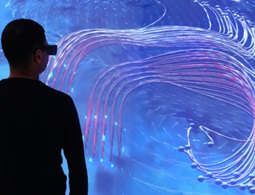
First-time reports of the statistical properties of ‘whirlpools’ show they are frequent and seasonal.
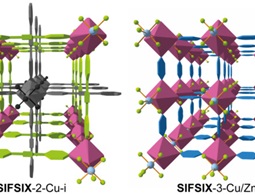
Chemically fine-tuning the structure of a class of light porous materials allows efficient and selective removal of CO2 from air.
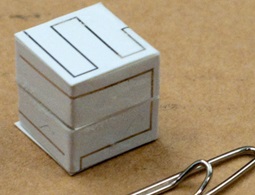
Floating paper cubes containing low-cost, inkjet printed electronic sensors can wirelessly monitor floods in real time.
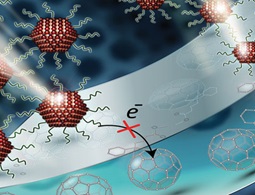
Light absorption capacity of quantum dot solar cells may soon reach the infrared.
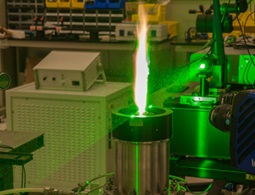
KAUST’s Clean Combustion Research Center aims to develop technologies for future fuel formulations, more efficient engines, and new methods for power generation.
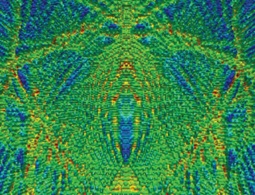
Chaotic optical resonators can trap more light energy than their orderly counterparts.
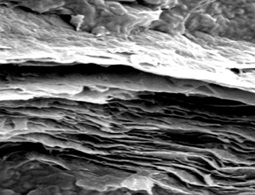
Graphene-based capacitors prove useful in advanced non-linear electronics.
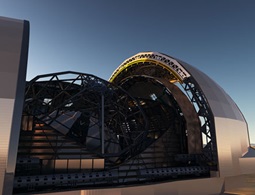
A novel algorithm promises faster functionality for the world’s largest optical-near infrared telescope.
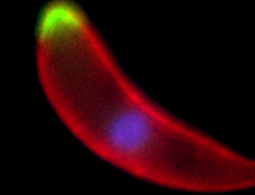
Enzymes crucial to parasite growth offer clues in fight against malaria.
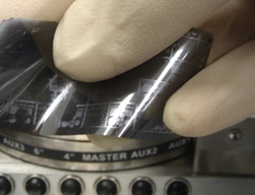
Bendable electronics could help make robust wearable devices that can continuously monitor a person’s health.
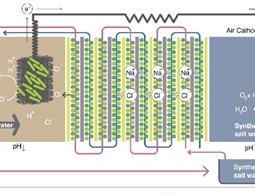
Resins improve bacterial performance in converting seawater to potable supply.