

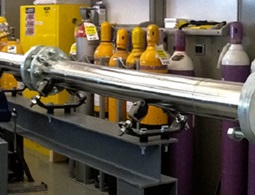
Taking the guesswork out of experimental design
A fast computational method optimizes sensor measurement networks for noisy, sparsely observed environments.
A fast computational method optimizes sensor measurement networks for noisy, sparsely observed environments.
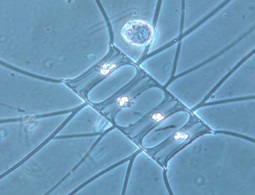
A look at life in the depths of the ocean reveals an efficient system of pumping carbon out of the atmosphere.
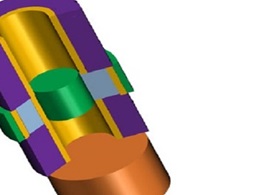
Transistor designs based on nanotubes could considerably reduce the power demands of computers.
A tiny device broadens the bandwith to enable absorption with wide-reaching potential for electrical engineering.
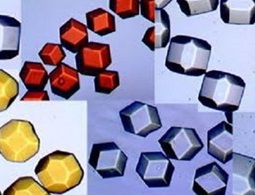
Making the pores of metal-organic frameworks smaller could open up new opportunities in gas separation techniques.
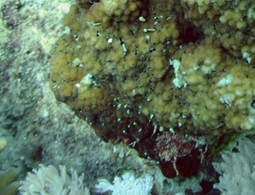
A coral named for KAUST could provide a glimpse of future reef conditions under climate change.
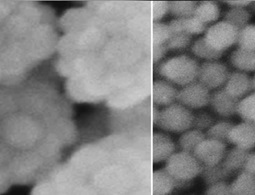
Tiny carriers assembled from oppositely charged nanoparticles open to release their cargo under light exposure.
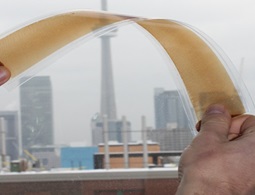
Funding from KAUST is helping to bring innovative solar power technology to fruition with startup company QD Solar.

An improved peak fitting procedure enables a better determination of protein structures.
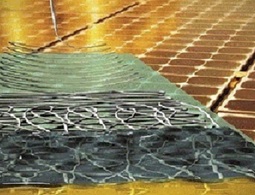
The fabrication of branched titanium dioxide nanomaterials enhances the connectivity in solar cells for a better performance.
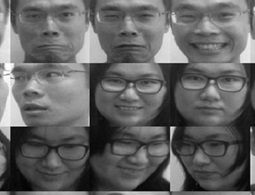
An algorithm that maximizes the difference between data categories achieves high accuracy in classifying faces.
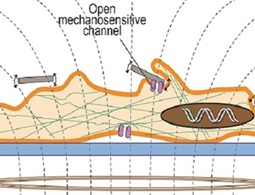
Magnetic nanowires with weak magnetic fields and low frequencies can destroy cancer cells without generating heat.