

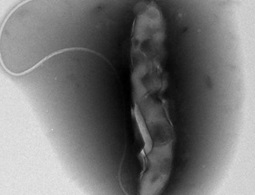
Sequencing reveals strains behind cholera outbreak
Whole-genome sequencing of the bacterium responsible for a cholera outbreak reveals a population structure missed by traditional methods.
Whole-genome sequencing of the bacterium responsible for a cholera outbreak reveals a population structure missed by traditional methods.
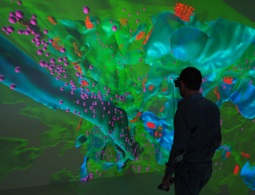
A new collaboration could lead to supercomputers emulating the efficiency of the brain.
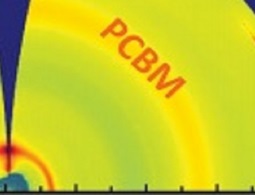
Electron-rich organic polymers boost power conversion in solar cells.
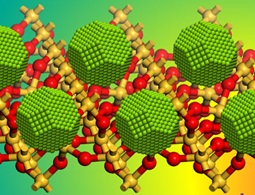
Researchers reveal a low-impact synthetic strategy for producing supported small nickel nanoparticles – a powerful catalytic form of the metal.
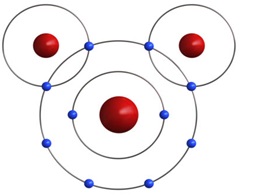
Producing hydrogen from water is improved by creating an orderly catalyst.
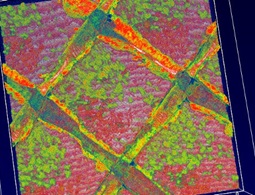
A leader in desalination science, TorOve Leiknes gives water treatment research in Saudi Arabia a major boost.
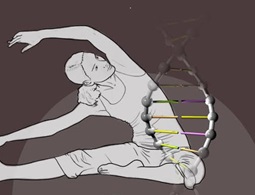
Evolution has left alone the protective functions of noncoding sequences of the human genetic blueprint.

State-of-the-art facilities and world-class research projects give rise to thriving start-up companies based at KAUST.
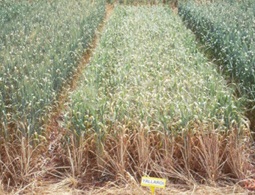
KAUST Center for Desert Agriculture leads research to improve crop yields from desert soils.
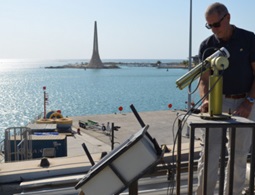
KAUST’s Earth Science and Engineering Program is underpinned by a drive to develop sustainable ways to get the best from natural resources and quantify environmental hazards.
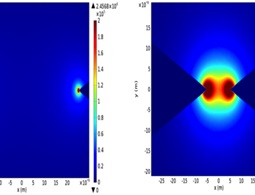
Sustainable energy generation boosted by a nanoscale device that converts thermal infrared radiation to an electrical current.
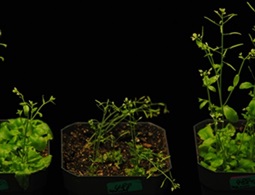
Discovery of the molecular mechanism by which a protein confers salt tolerance in plants could boost crop yields in high-saline soils.