


Effect of dust on the Red Sea
Ship-based studies of dust levels above the Red Sea reveal significant variations and confirm the reliability of satellite monitoring.
Ship-based studies of dust levels above the Red Sea reveal significant variations and confirm the reliability of satellite monitoring.
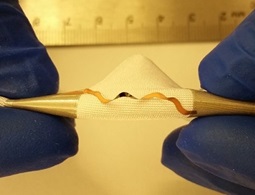
A low-cost, copper-based flexible and stretchable antenna improves far-field data communication in wearable electronics.
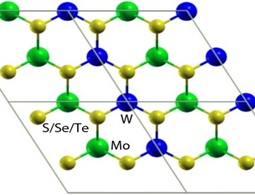
Atomically thin heterogeneous semiconductors with tunable electronic properties pave the way for next-generation two-dimensional devices.
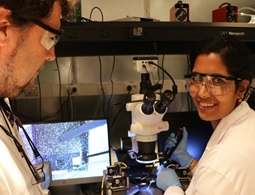
A new biosensor made of laser-etched electrodes on a gold-coated polymer may provide an effective and cost-efficient way to assess heart disease risk.
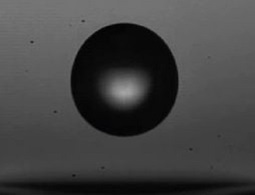
Capturing the hidden details of coalescence cascades that connect bubbles and droplets may improve oil extraction practices.
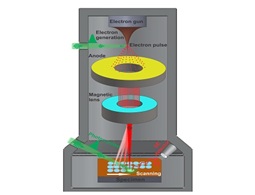
An electron microscope fitted with a femtosecond laser visualizes the dynamics of excited carriers on the surface of a material in real space and time.
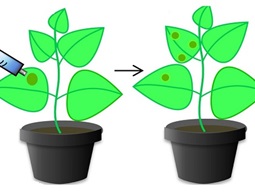
Harnessing a bacterial system of defense can protect plants against viral pathogens.
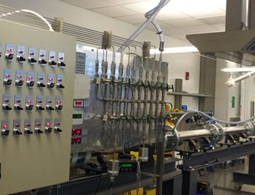
Chemical reaction modeling and combustion experiments reveal how 2-methylbutanol would behave in advanced engines.

A combination of state-of-the-art sensors and standardized data analysis will transform research for tracking animals and humans.
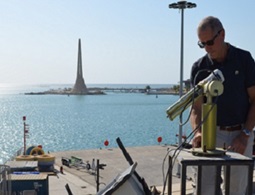
Modelling reveals how atmospheric dust influences daytime patterns of energy transfer from sunlight.
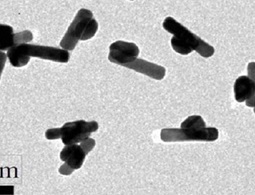
Metallic nanostructures absorb light better than any other known structures.
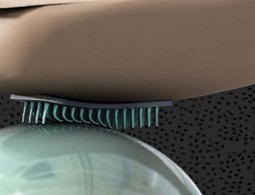
Biocompatible tactile sensors based on magnetic hair-like structures enable new applications for touch sensors.