

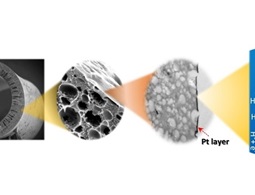
Extracting more from wastewater
A material made by combining a metal and a polymer can help generate hydrogen and fresh water from wastewater.
A material made by combining a metal and a polymer can help generate hydrogen and fresh water from wastewater.
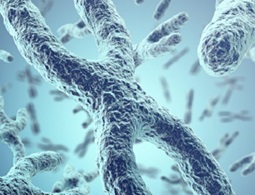
The dynamic three-dimensional organization of chromosomal structure can profoundly influence plant gene expression.
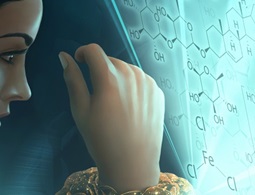
Hybrid organic-inorganic materials can self-assemble into tiny doughnut-like structures.

A highly efficient mathematical solver designed to run on graphics processors gives scientists and engineers a powerful new tool for a common computational problem.

Reliable processing of an efficient solar cell material depends on how the solvent is removed.
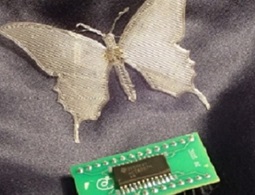
High-speed fabrication developed at KAUST can turn out adhesive and flexible electronic devices in any shape imaginable.

A new data-mining strategy that offers unprecedented pattern search speed could glean new insights from massive datasets.

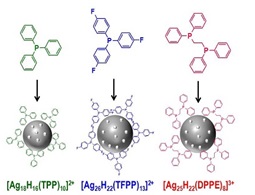
Surrounding silver nanoclusters with hydrogen-rich shells offers new opportunities in catalysis and opto-electronics.

Identification of candidate pathways in clownfish shows they can control responses to population alterations.

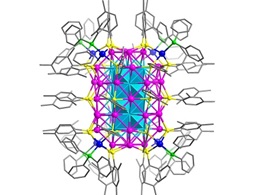
Research at KAUST finds that silver atoms can be crafted into a box-shaped nanocluster by careful selection of ligand molecules.