


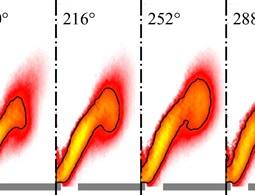
Putting gas under pressure
Understanding the response of gas flames to acoustic perturbations at high pressure should make next-generation turbines safer and more efficient.
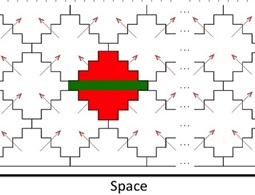
Superior seismic imaging for better drilling
Software could transform underground imaging of fossil fuel reserves by providing unprecedented detail in record time.
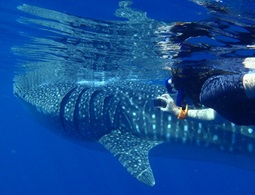
Mysterious gentle giants gather off Saudi coast
Investigations of prey patterns fail to explain why whale sharks aggregate off the coast of Saudi Arabia.

Remote corals pay the price of climate change
Corals, even in the most far-flung locations, are being affected by climate change but fare better in marine protected areas.
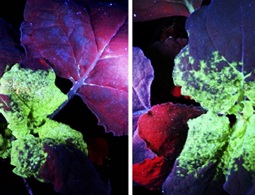
Future for crop breeding is CRISPR and clear
Precision molecular tools derived from bacterial defence systems are transforming the theory and practice of genetic modification.

Scanning in the fourth dimension
A novel imaging method makes it possible to capture object deformation in three dimensions over time with unprecedented accuracy.
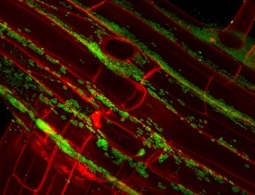
Bacteria proven to be worth their salt
Bacteria isolated from desert plants could provide the key to maintaining productive agriculture in arid regions.
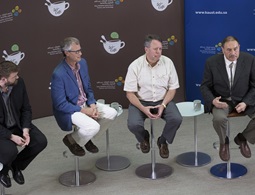
Sustainability hinges on water and energy use
A plant scientist, a water specialist and a petroleum engineer walk onto a panel, “how do you define sustainability?” one asks.
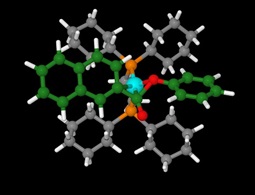
Simple swap for a greener toolkit
A metal catalyst that gives distinct carbon-based molecular skeletons upon ligand change may unlock cost-effective, green synthetic routes.
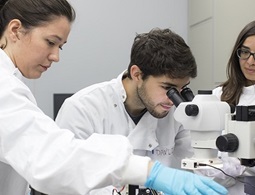
Detecting metabolites at close range
Pairing a conjugated polymer with a redox enzyme generates a fast, selective and sensitive electrochemical biosensor for metabolites.
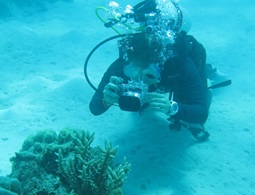
Anemones take the heat with a little help from their friends
Research reveals the genetic response to heat stress and highlights symbiotic algae’s role.