

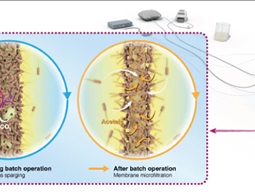
Membranes help multiply microbial CO2 munching
Multifunctional porous conductive membranes help microbes eat their way to a faster carbon dioxide conversion.
Multifunctional porous conductive membranes help microbes eat their way to a faster carbon dioxide conversion.
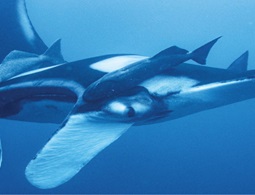
A citizen science project uncovers new details about the lives of oceanic manta rays in the Red Sea, including a possible nursery site.
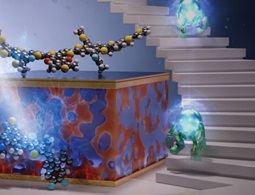
Precisely determining the energy levels of different solar materials leads to high performance devices.

Seasonal phytoplankton blooms in the Al-Wajh lagoon differ from those in the adjacent Red Sea due to regional water dynamics and nutrient availability.

How pollutants disperse in the atmosphere can be modeled more reliably using a physically based geostatistical framework.

A highly efficient enzyme combined with a multigene engineering approach offers potential for sustainable production of water-soluble pigments in plant tissues.
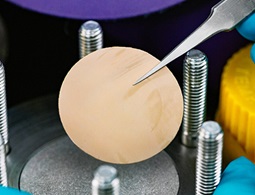
Polymer-based membranes that selectively separate hydrocarbon and crude oil mixtures could eclipse current industrial thermal processes.
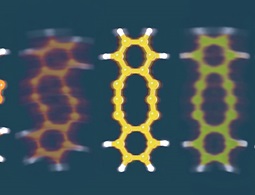
Pulses from an atom-sharp tip enable researchers to break and form chemical bonds at will.
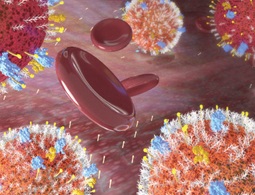
Enhancement of adhesion molecules improves the ability of blood-forming stem cells to take root in transplant recipients.

A simple reordering of the layers in solar-cell modules can help improve efficiency.
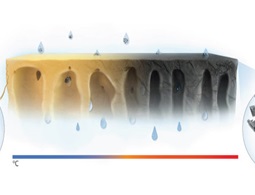
Heat treatment shrinks polymer’s pores to enhance solvent filtration.
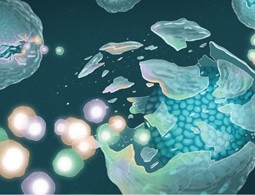
Deep molecular analysis of the bone marrow microenvironment reveals that the cells regulating blood stem cell maintenance are more diverse than expected and have features likely to be conserved between species.
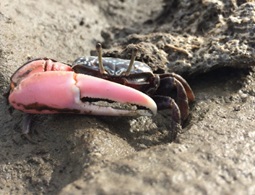
Fiddler crabs and other burrowing creatures could support the future of nutrient-deficient soils of dried-up mangroves.

Fabricating intricate optical structures onto the tip of an optical fiber creates a new source of special light beams.
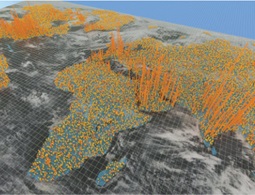
A faster and more statistically accurate modeling scheme enables better prediction of climate and environmental conditions at very large scales.
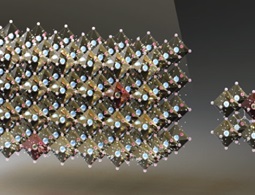
Nanomaterials offer a way to get many electrical charges from each photon absorbed by a solar cell.
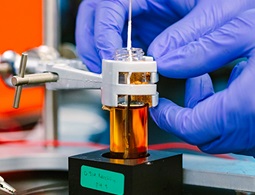
A transition metal catalyst discovery could help to establish renewably generated electricity at the heart of a clean chemicals industry.
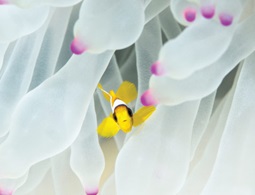
Time is running out, say researchers who are proposing a framework to guide the safe use of microbes to restore global biodiversity loss.
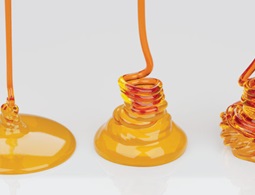
A combination of efficient math and parallel computation accelerates the modeling of viscous liquid flow.
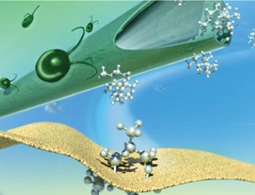
Selective membranes allow harvesting and concentration of valuable molecules from cultured microbes.